The Taína land, Samaná Peninsula
Samaná Peninsula · Dominican Republic Samaná --:--

Tribaya CollectionCollection

Cultural hospitality estates, built from the materials and traditions of the places where they stand. Taína is the first.

01The Site Plan

The land,
as it will read.

Contiguous coastal land, with the three brands laid across it: KUA on the point, RAKAN to the north, MAINA and the farm inland. Open any building to walk inside it.

Interactive
KUA · on the point RAKAN · to the north MAINA · inland
Open full screen
85Acres of beachfront
55Keys across two hotels
3Brands, one estate
40minFrom El Catey International
02The Collection

Built from the place it stands on.

The Tribaya Collection is a group of cultural hospitality estates, each one built in the materials and traditions of the place it stands in.

Not a brand applied to a site, but a building drawn from it. Local materials, local artisans, local labour, and a cultural programme developed with the people whose tradition it belongs to.

We are owner-builders. We buy the land, direct the architecture, manage the construction ourselves and then operate what we finish. Nothing here is a fee-development mandate carried out for somebody else.

Taína, on the Samaná Peninsula of the Dominican Republic, is the first. It will not be the last.

03The First Estate
Taína.

On the Samaná beachfront, in local stone, timber and rammed earth.

A 55-key eco-luxury resort and cultural estate, built as three connected brands on one piece of land, raised by hand, in the colour the ground already is.

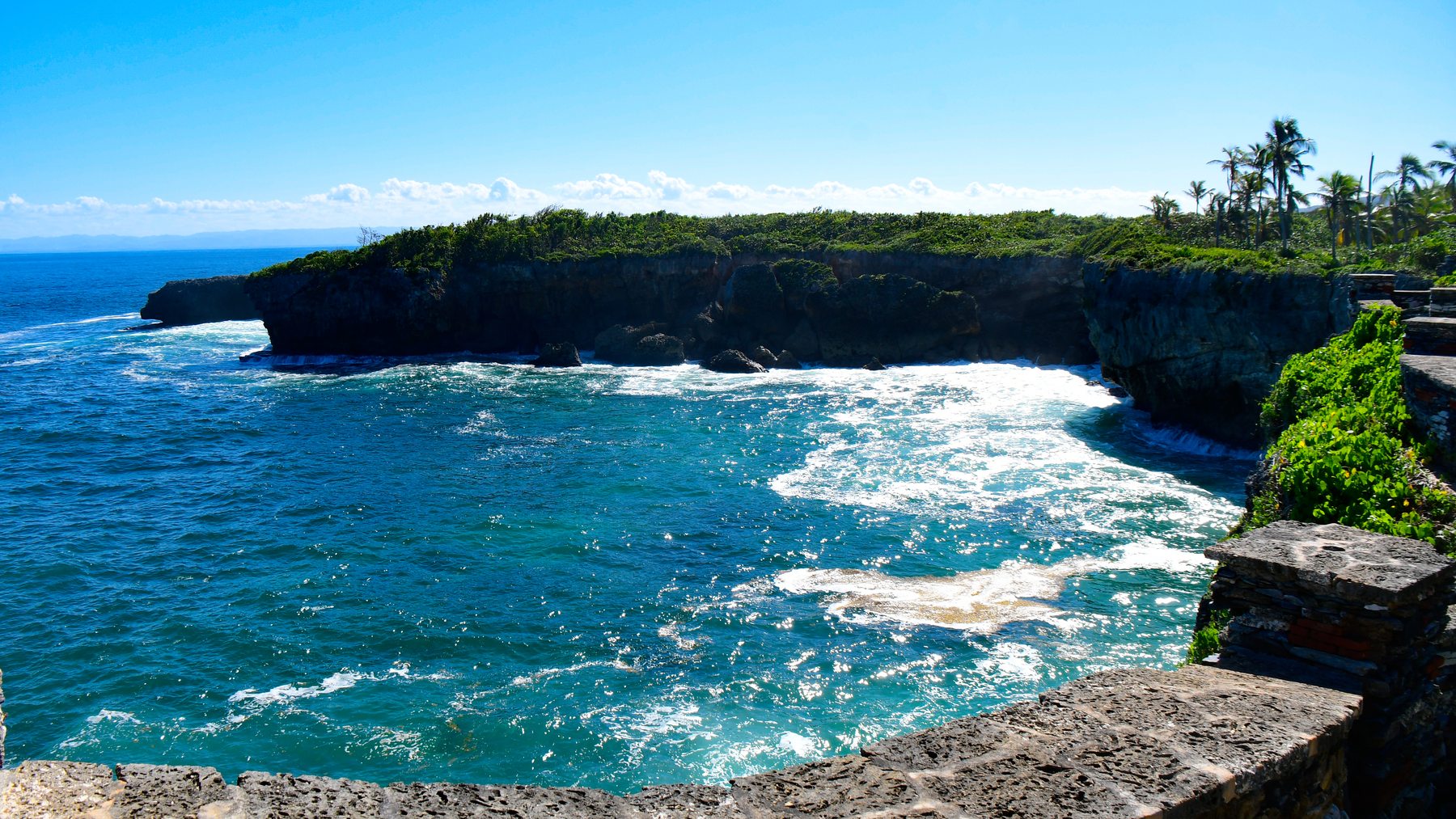
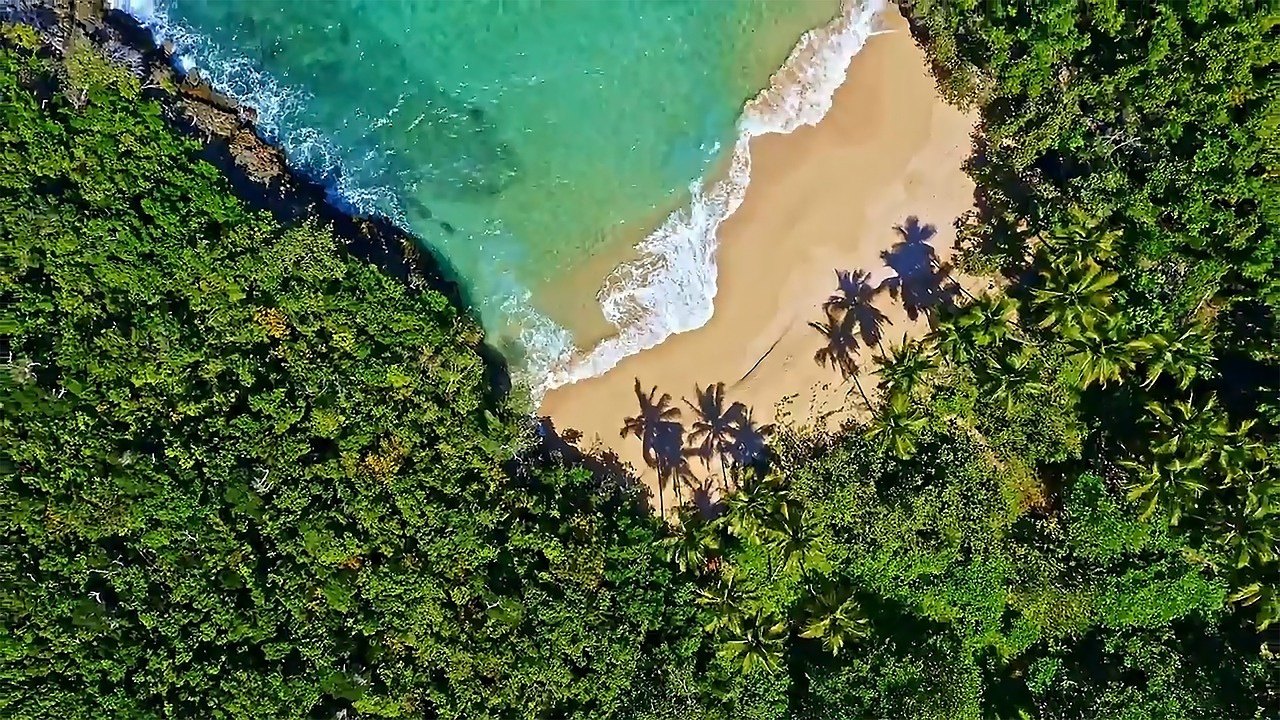
Turquoise water in the cove below the old fort wall, Samaná
The cove
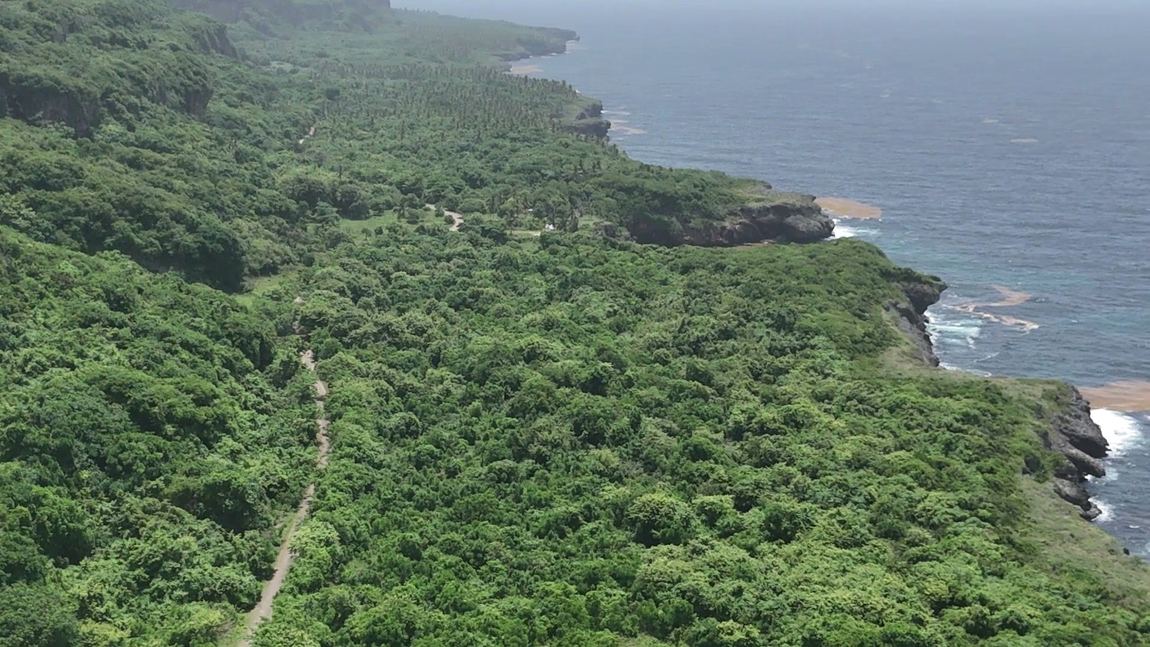
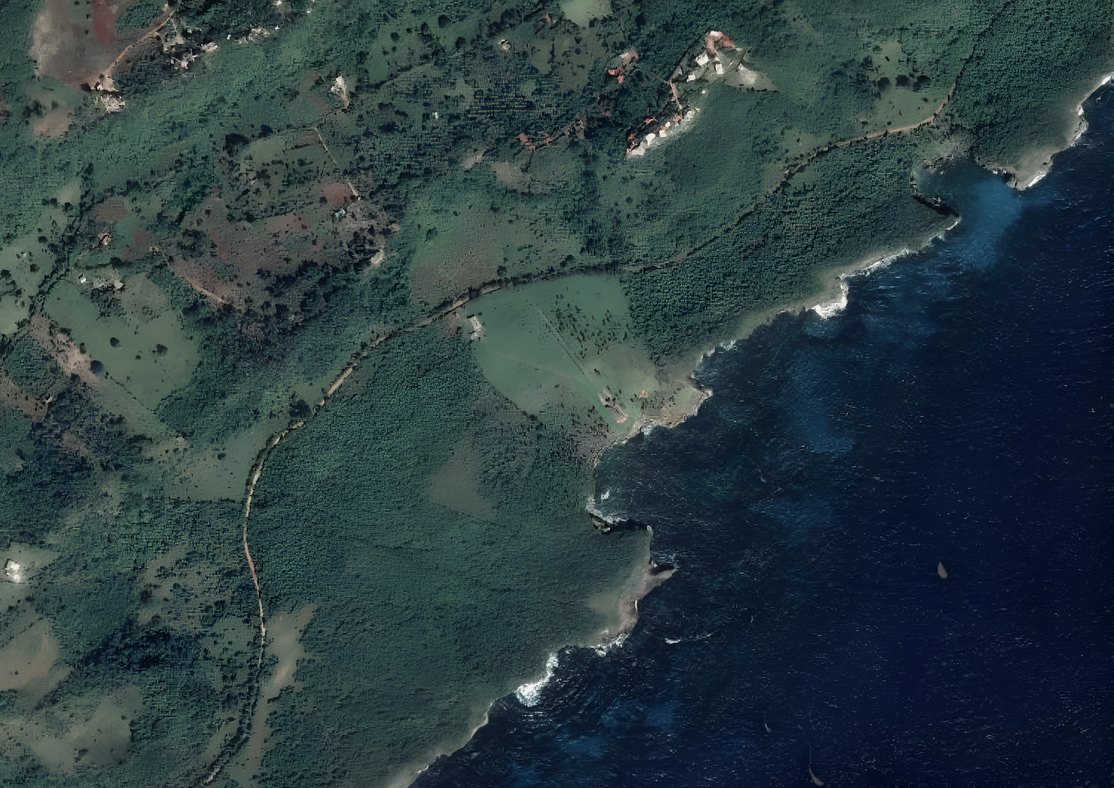
The Samaná coastline at the Taína site
The coastline
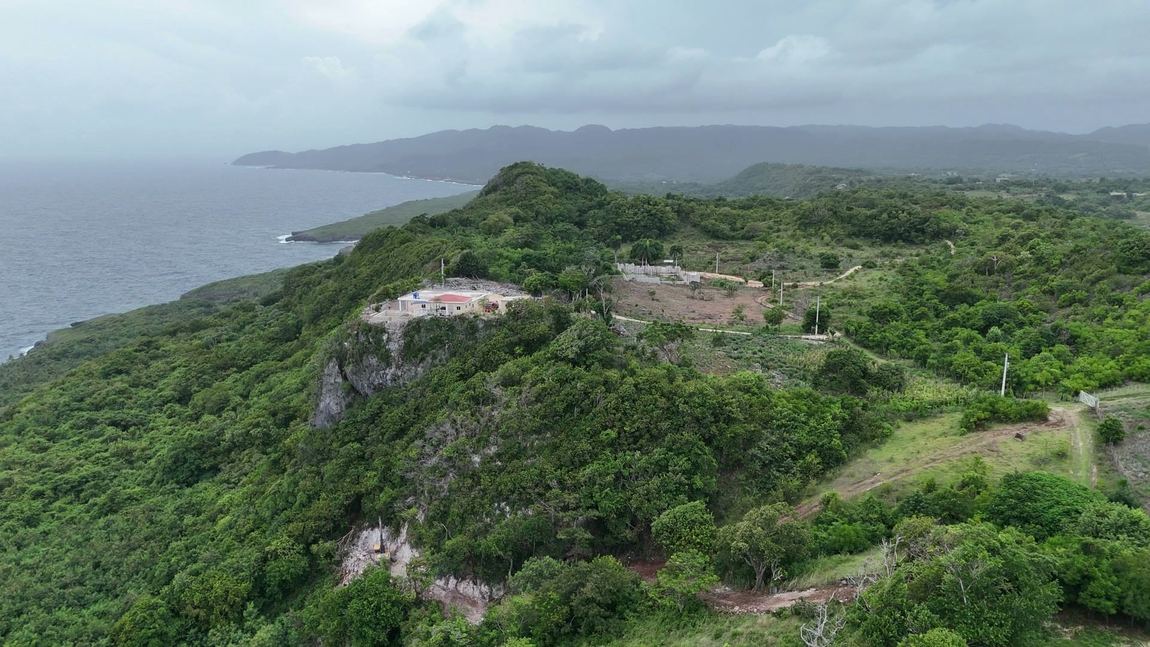
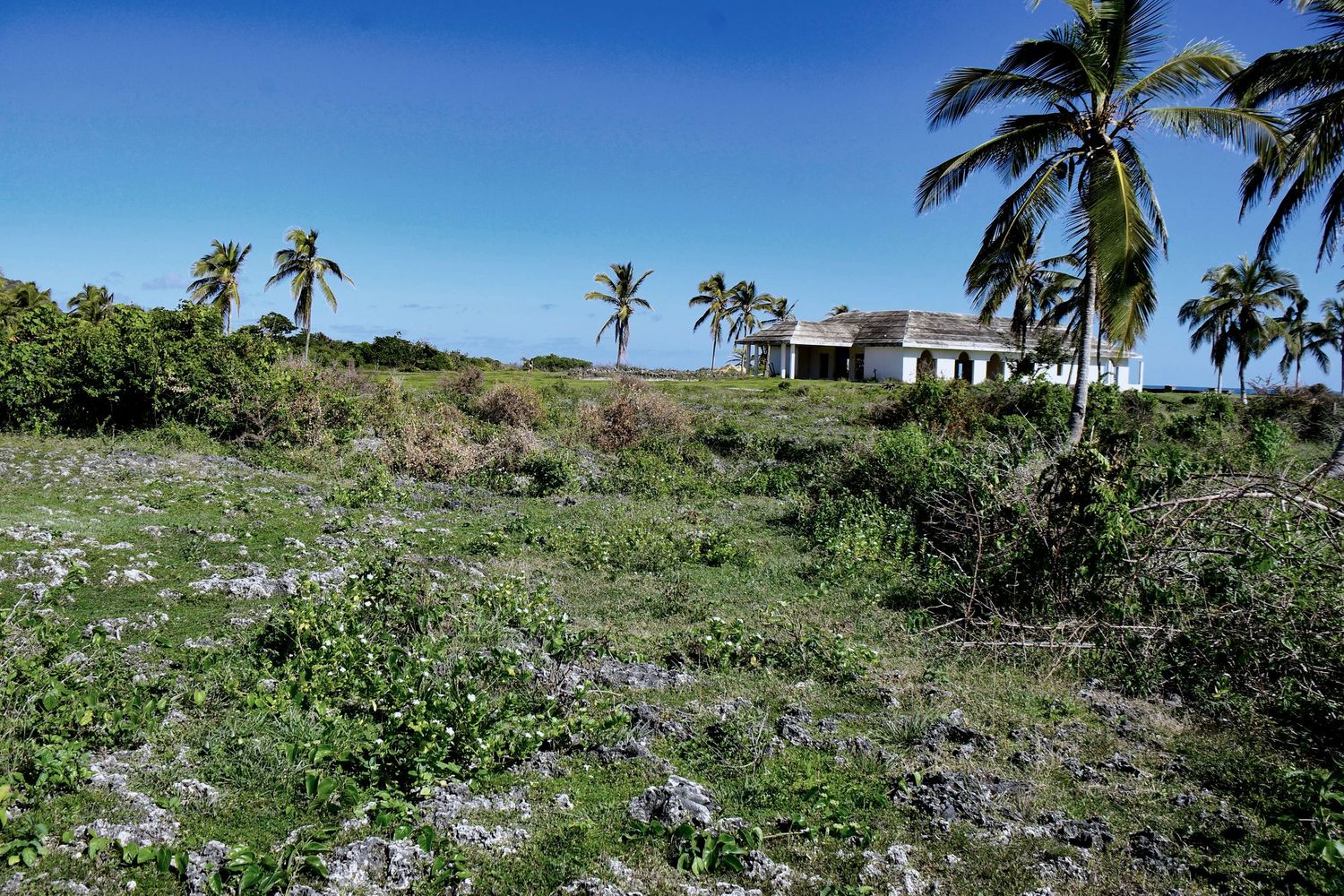
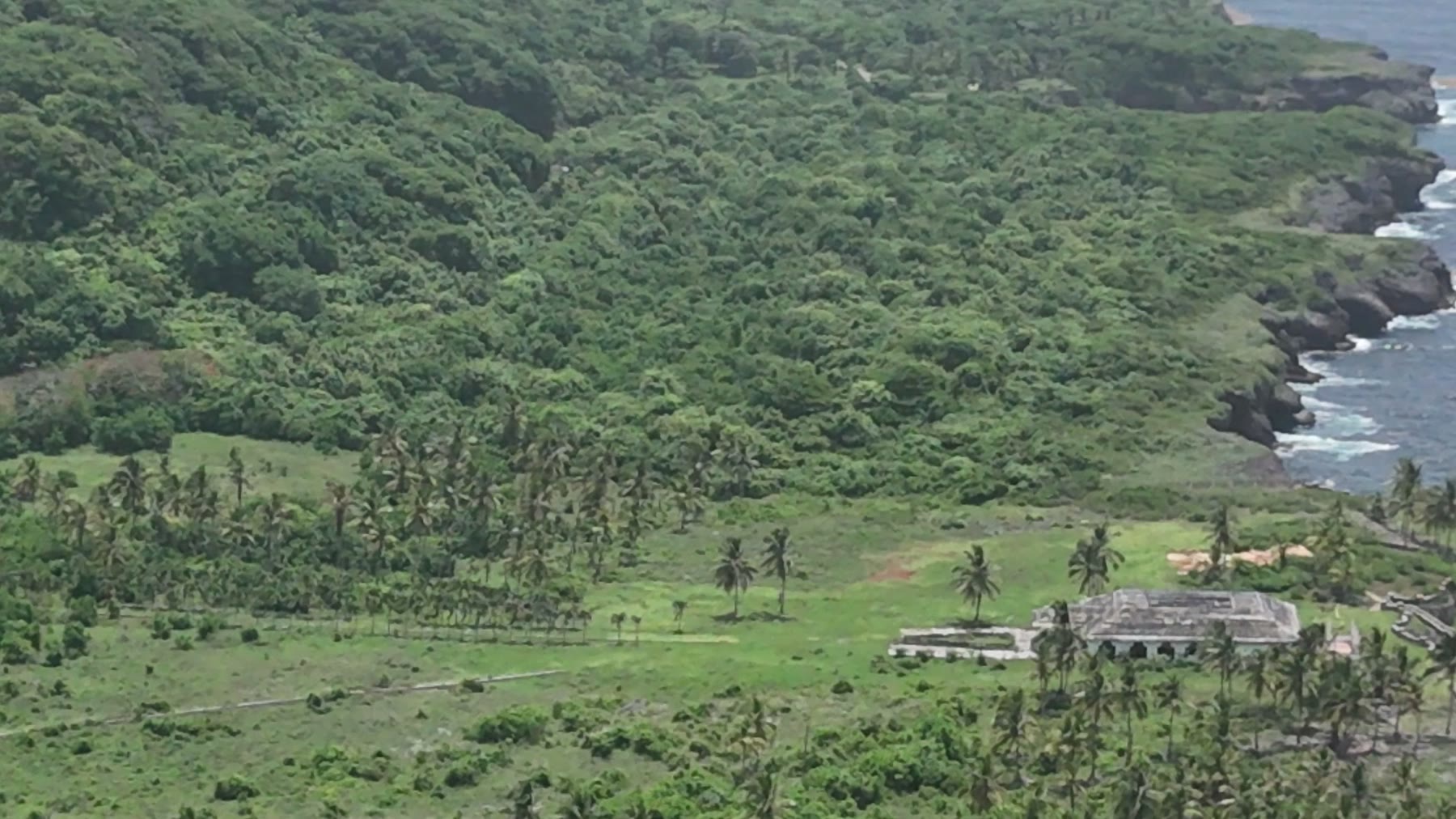
The colonial casa on the headland, from the air
The casa on the headland
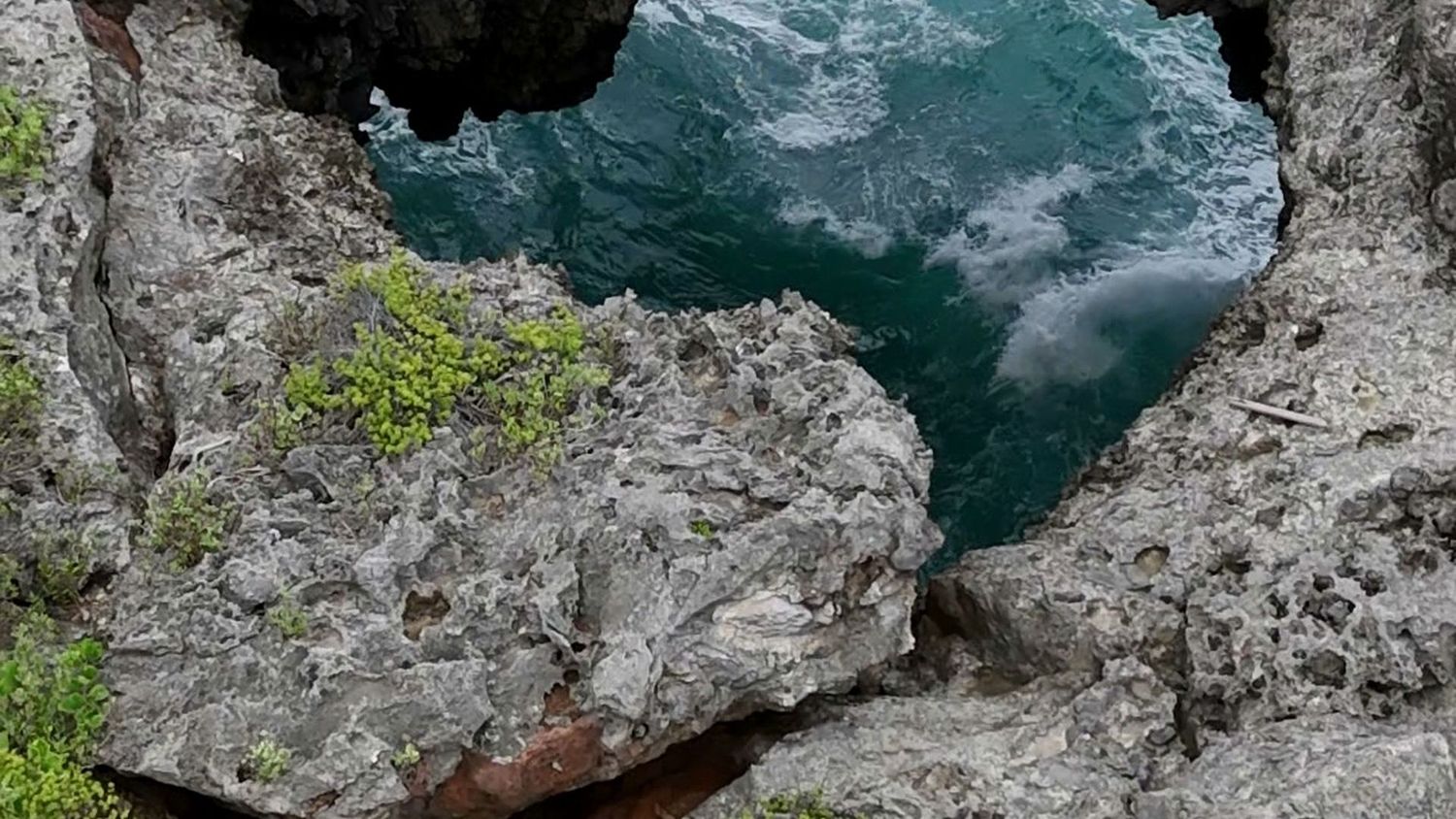
Boca del Diablo
Boca del Diablo
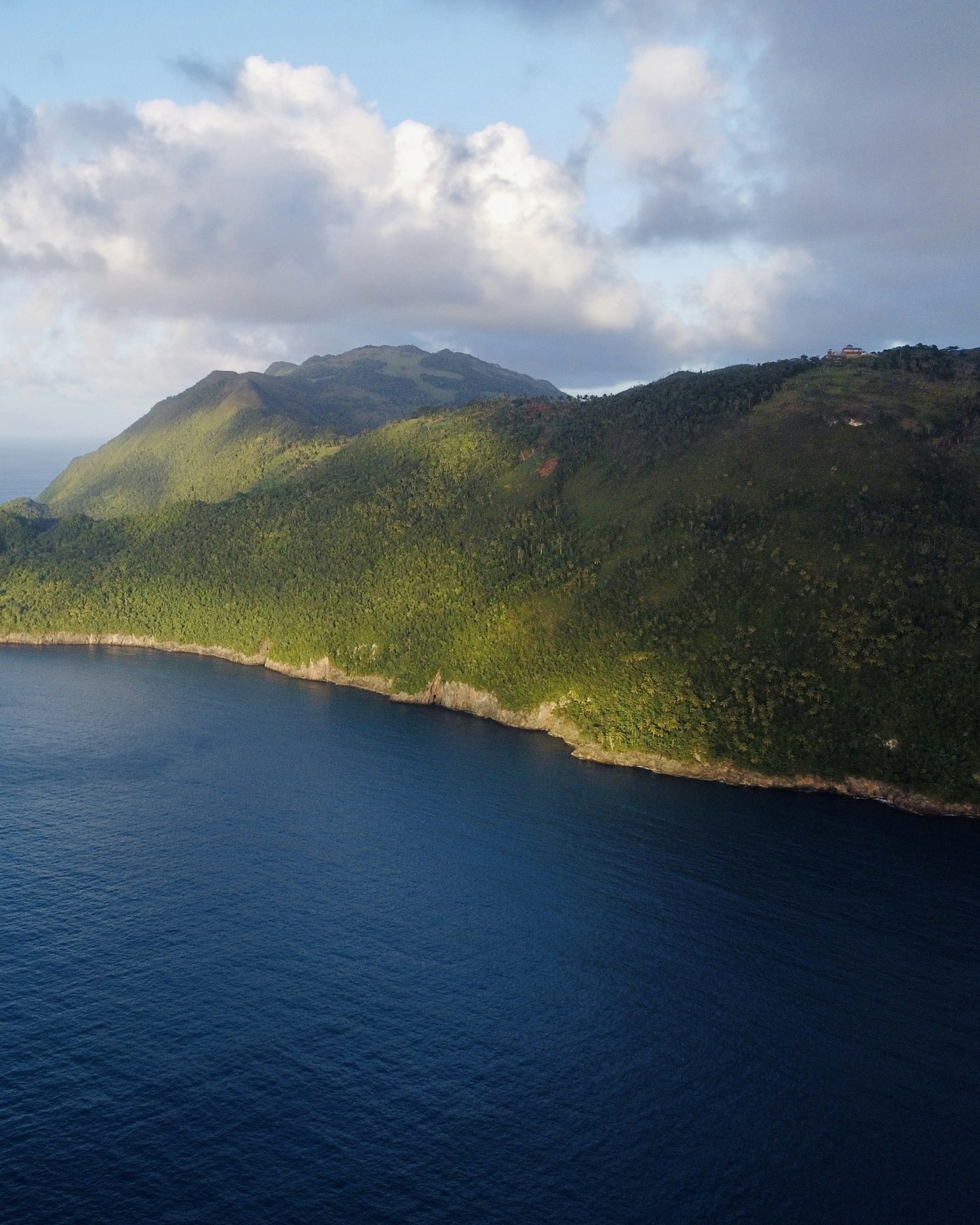
The headland from the air
The headland
Pasture running to the palm line
To the palm line
KeysFifty-five
LandSamaná beachfront
BrandsKUA · RAKAN · MAINA
MaterialsStone, timber, rammed earth
StatusIn development
04The Three Brands

Not a hotel.
Four businesses
on one estate.

Taína is built as three connected brands sharing one piece of land, plus the farm that feeds them.

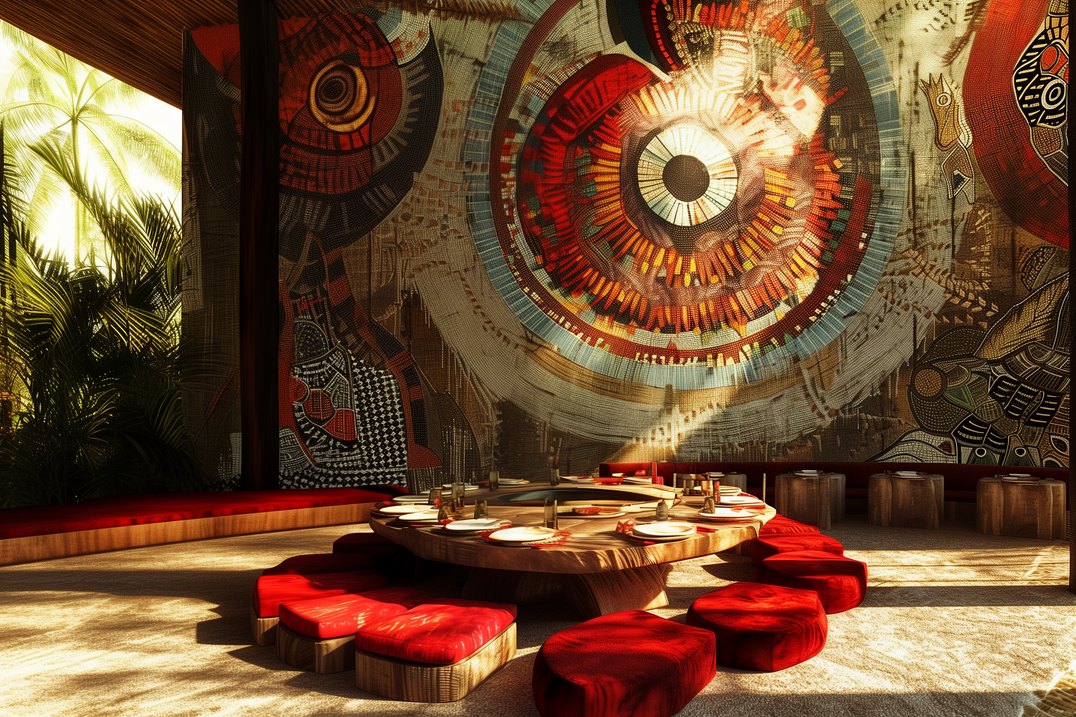
KUA dining room, rendering 01

KUA

Bio-gastronomy hotel

A gastronomy-led hotel where the kitchen is the reason to come. Rotating chef residencies bring a named kitchen to the estate for a season at a time, cooking out of the farm on the same land.

Thirty-three rooms
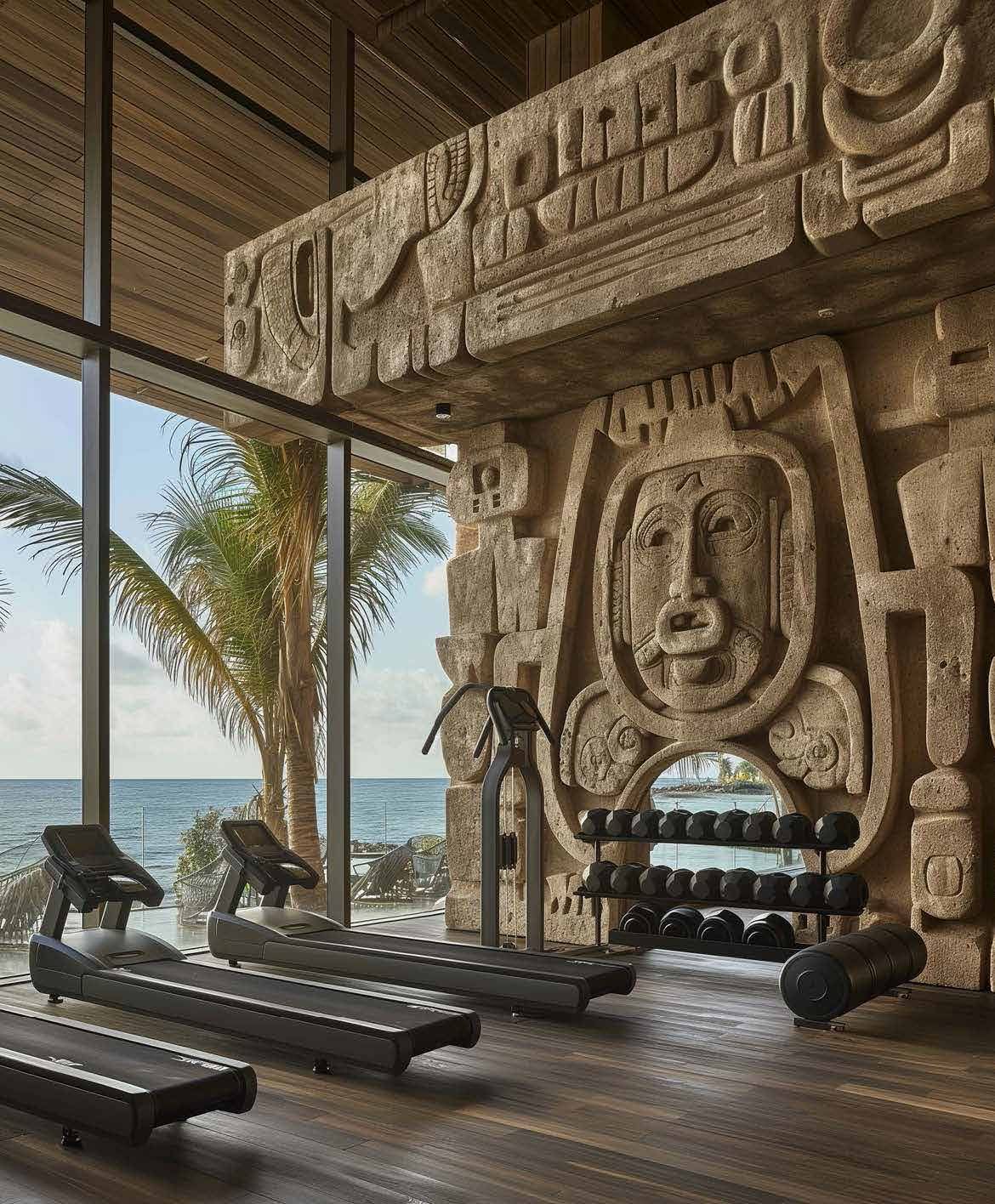
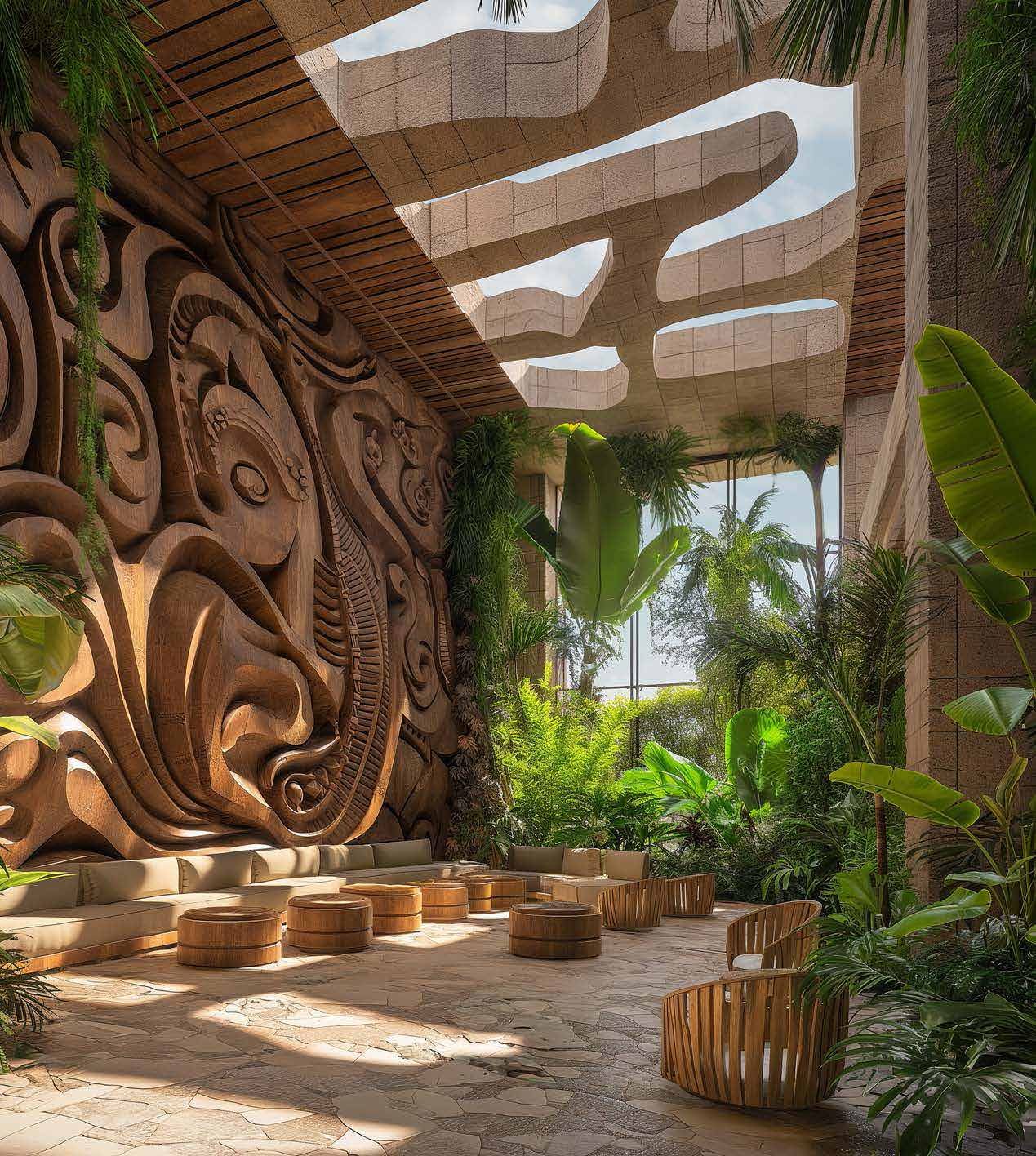
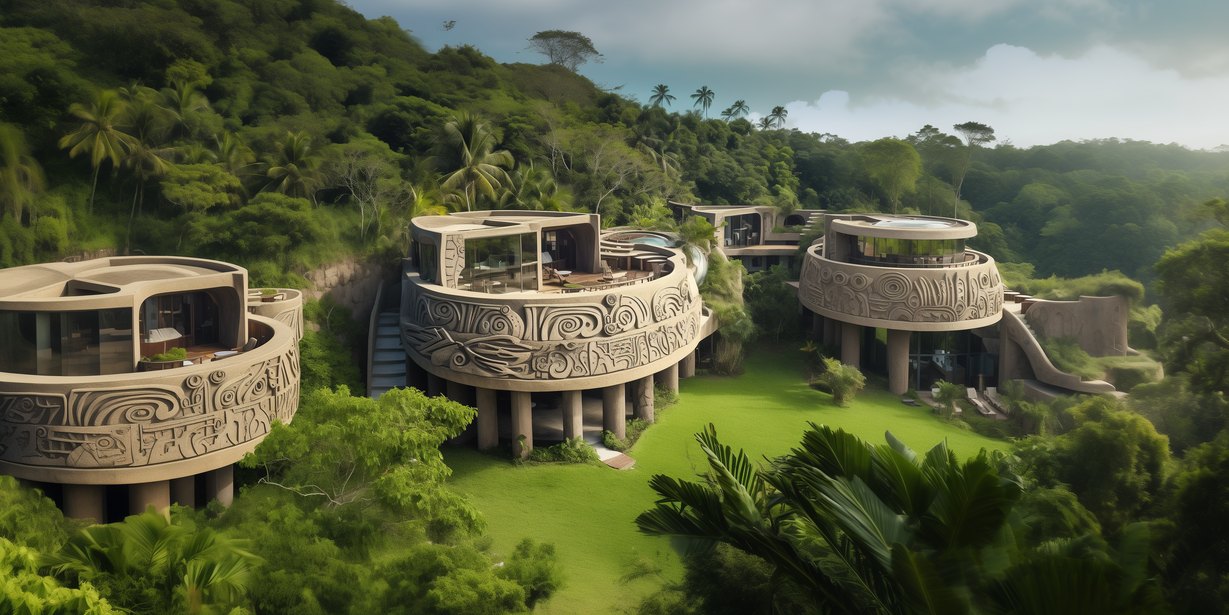
RAKAN, carved entrance, rendering 02

RAKAN

Precision wellness retreat

A residential wellness retreat run as a programme rather than a spa menu. Guests arrive for a defined stay with a defined protocol, in suites built for rest rather than display.

Twenty-two suites
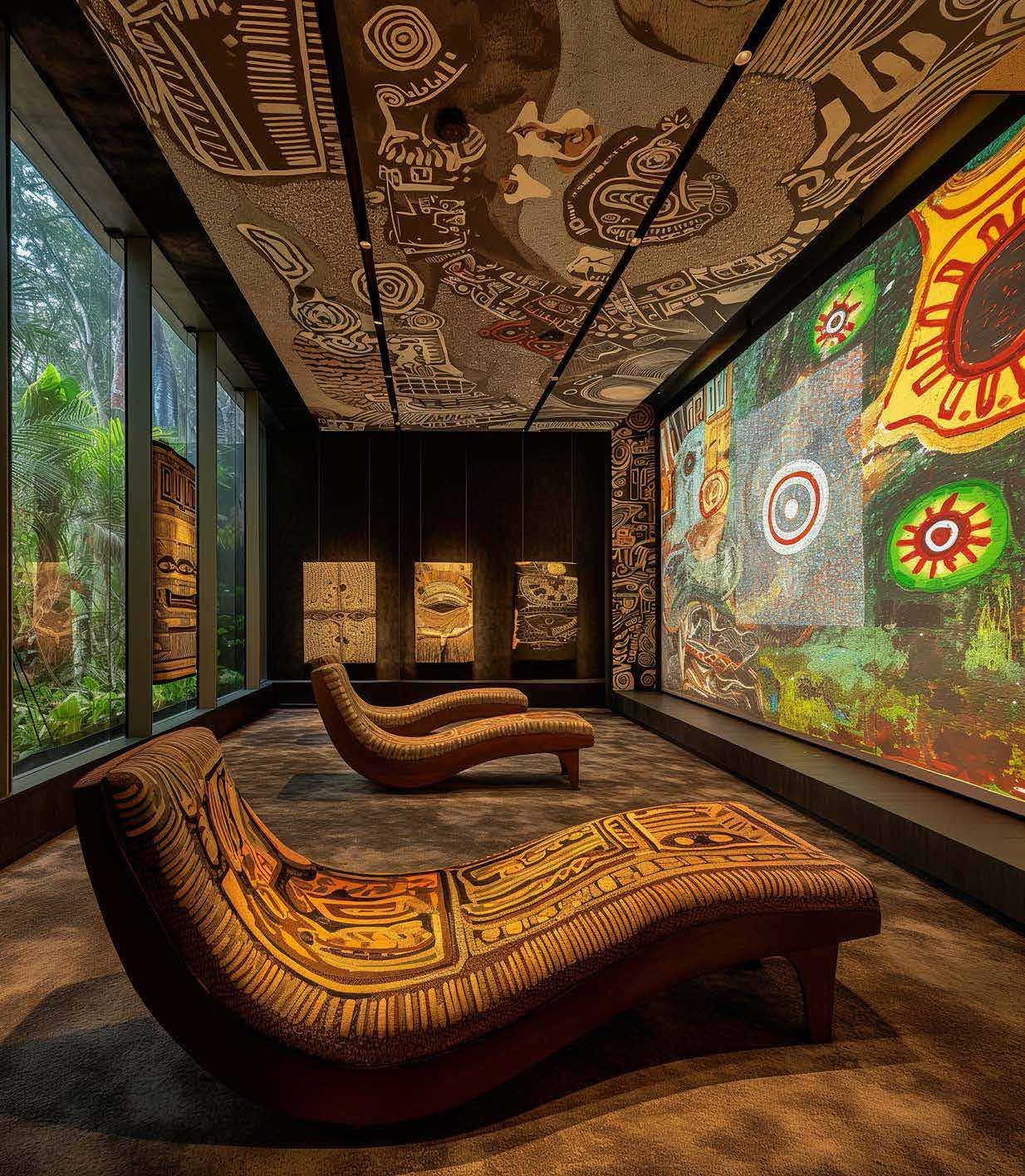
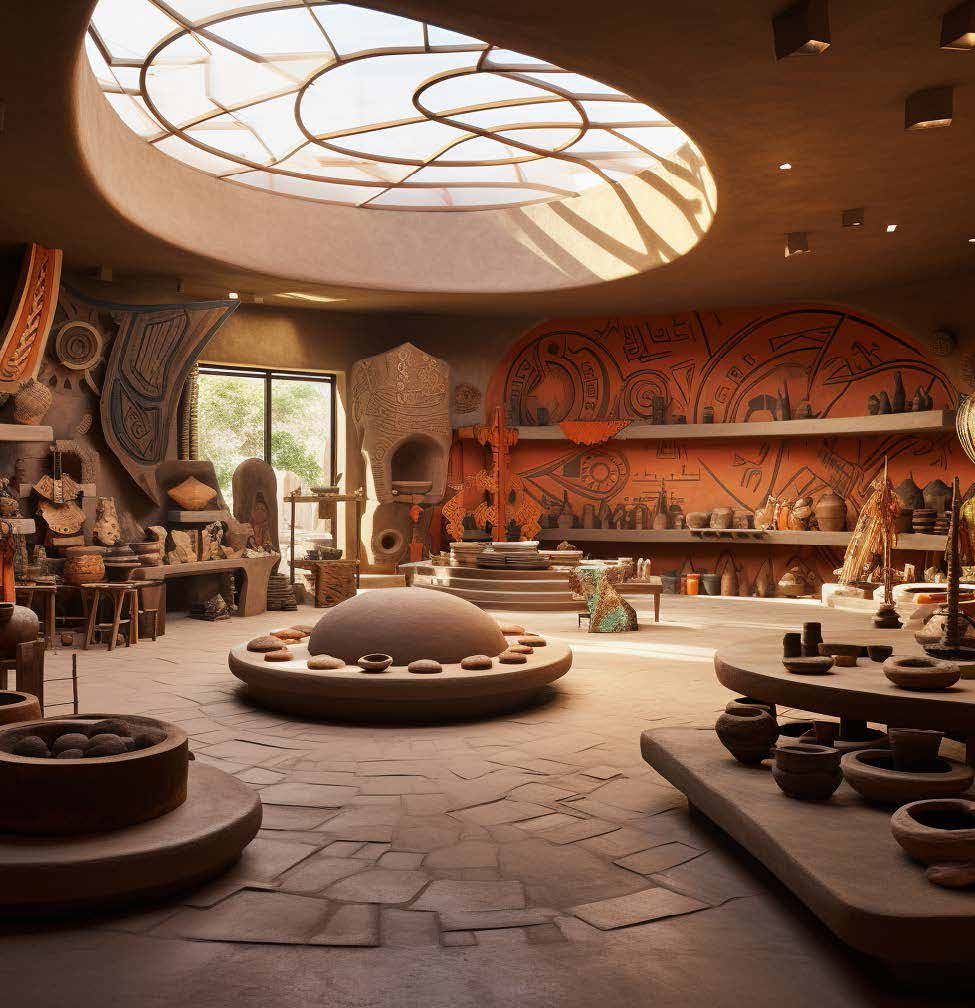
MAINA, the Taíno museum, rendering 03

MAINA

Cacao farm · Museum · Community

A working cacao farm with a Taíno museum, artisan workshops and an events ground, open to the public rather than reserved for guests. It supplies the kitchens and it employs the valley.

Open to the public
05The Finished Estate

As it
will stand.

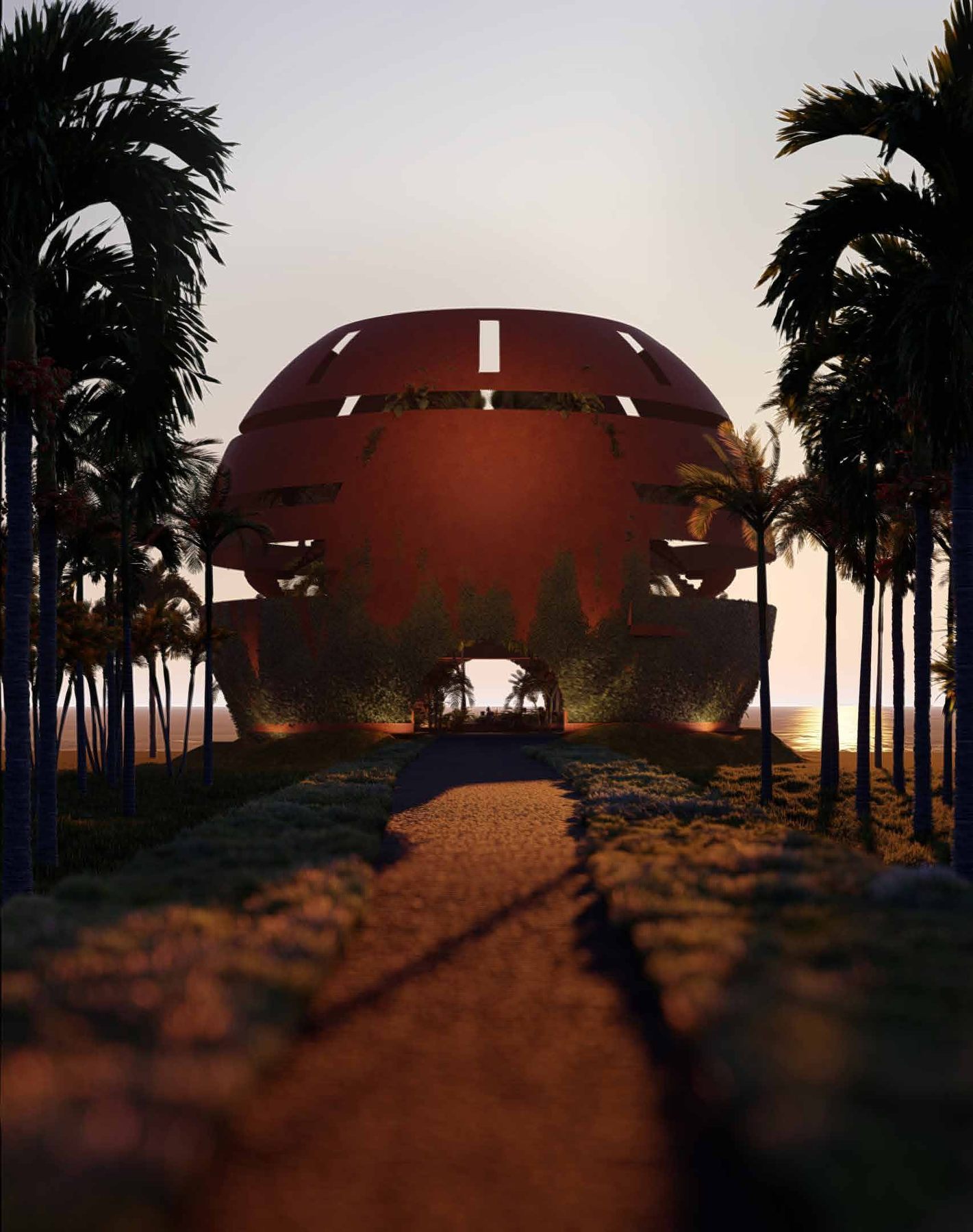
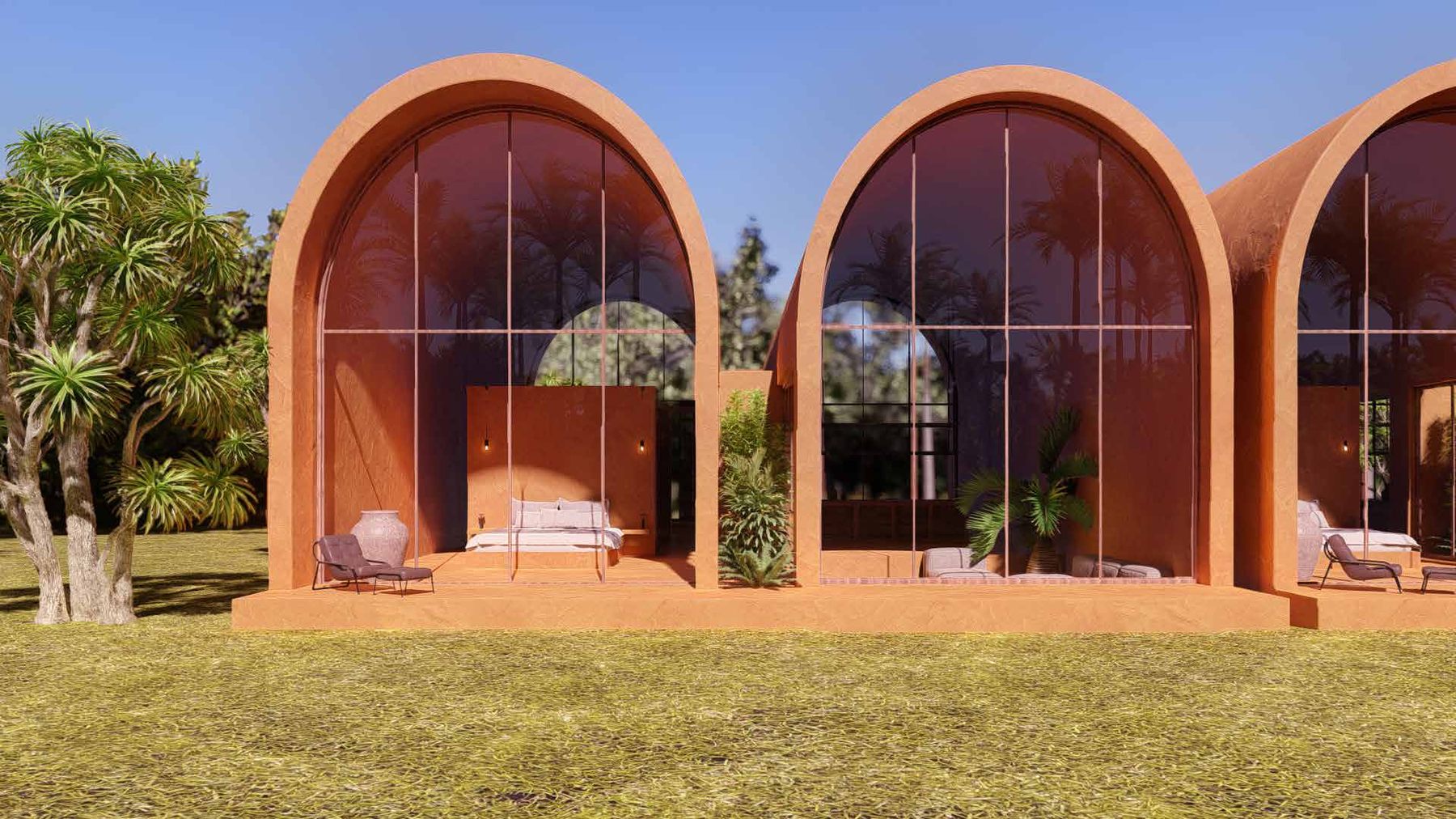
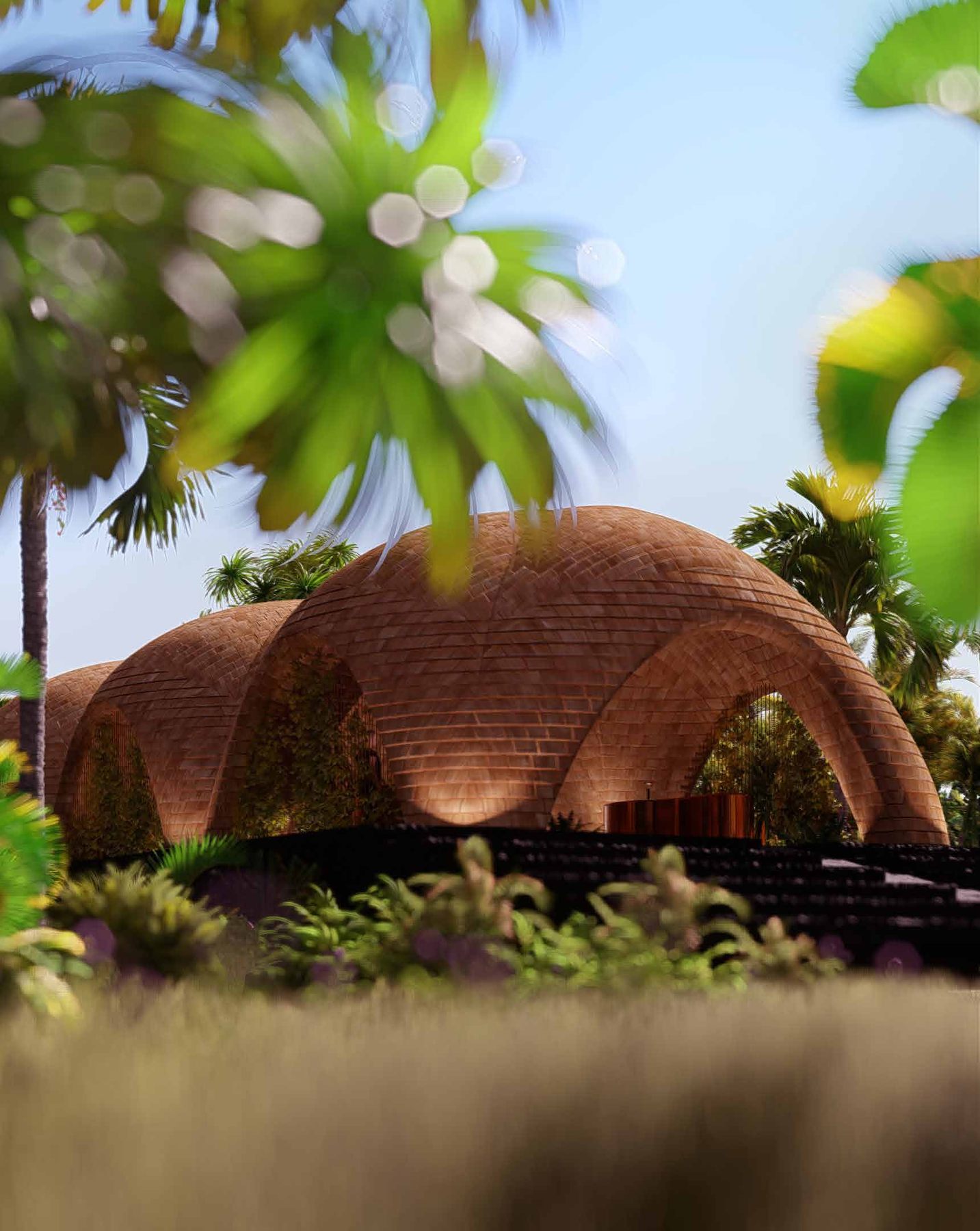
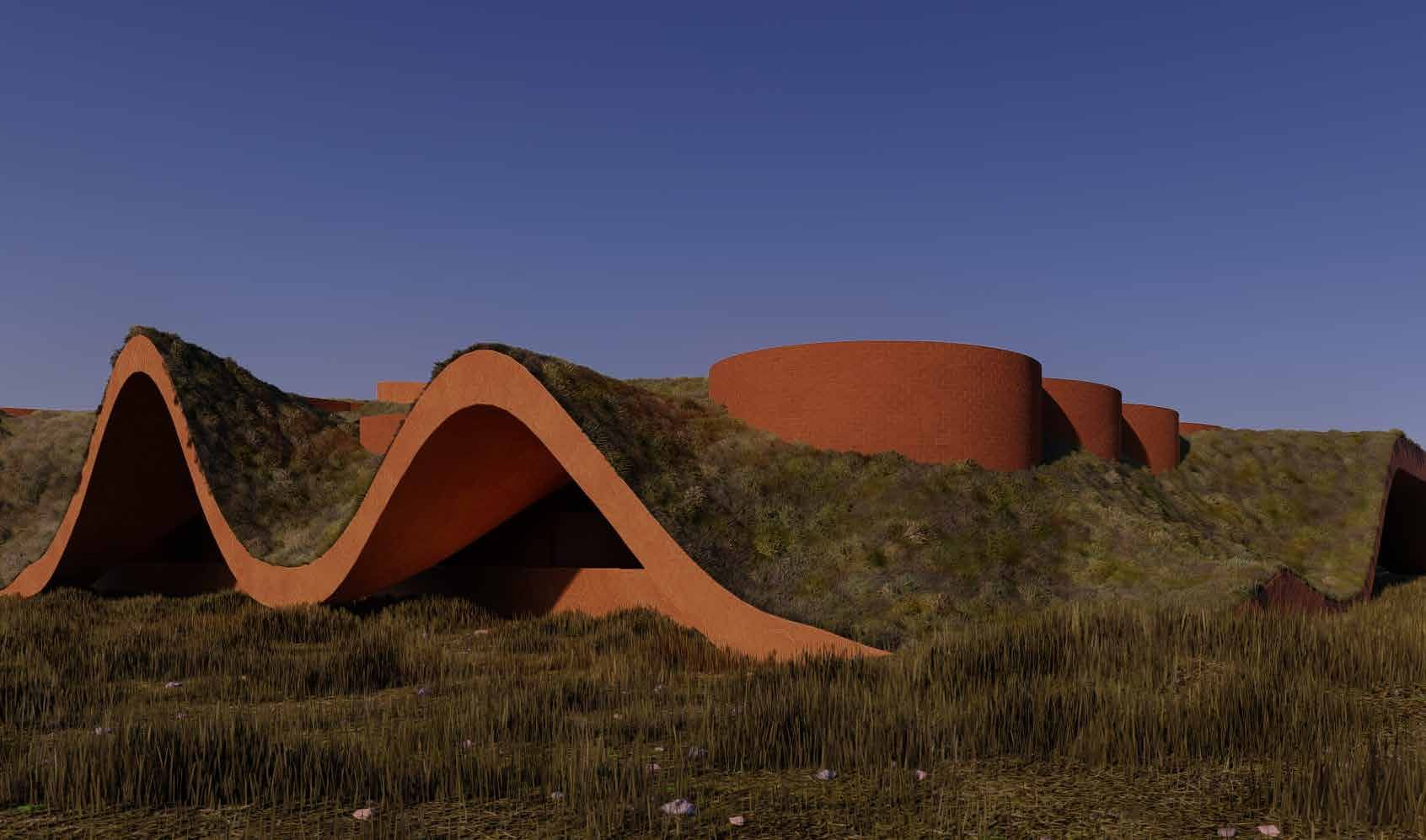
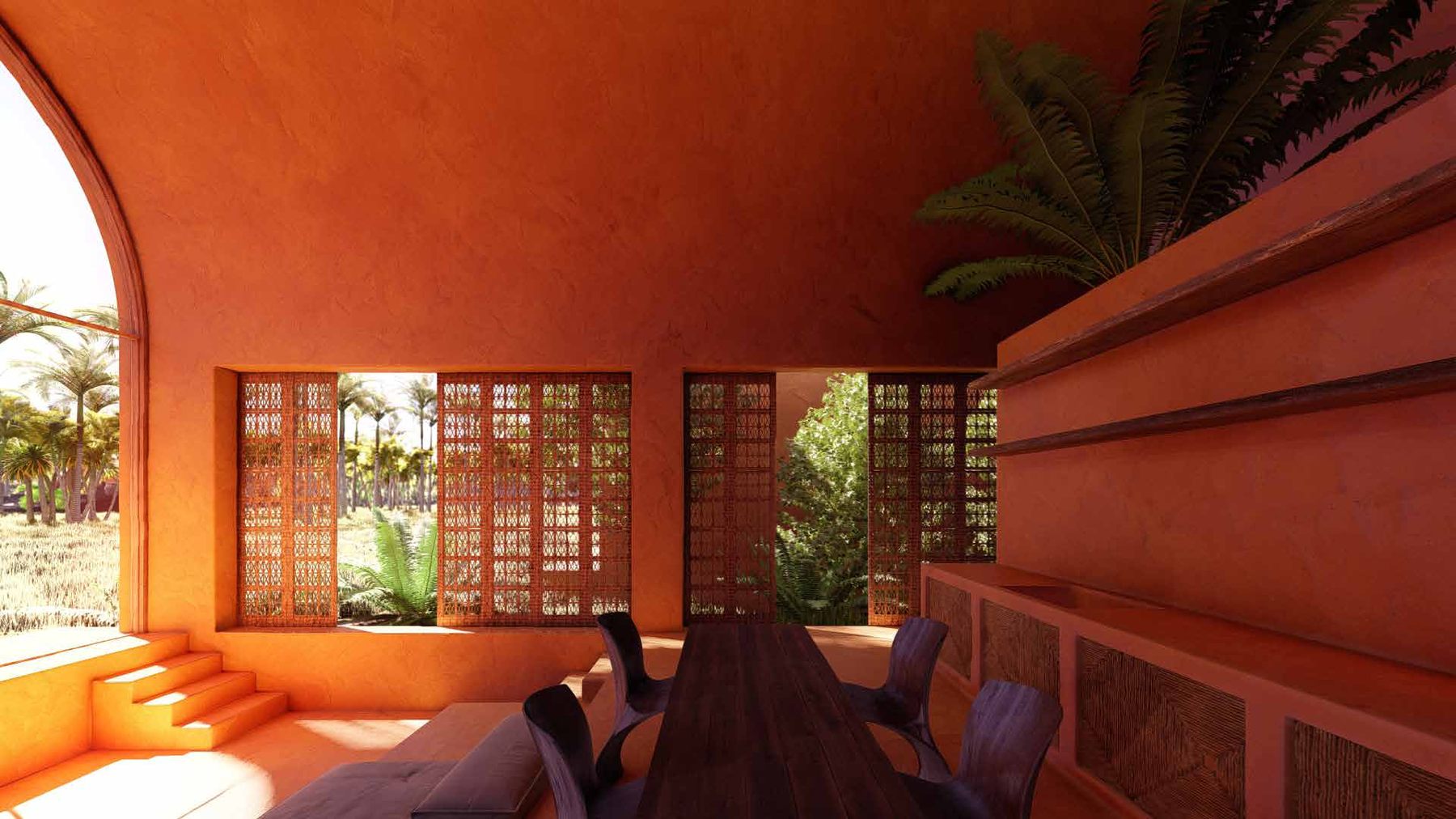
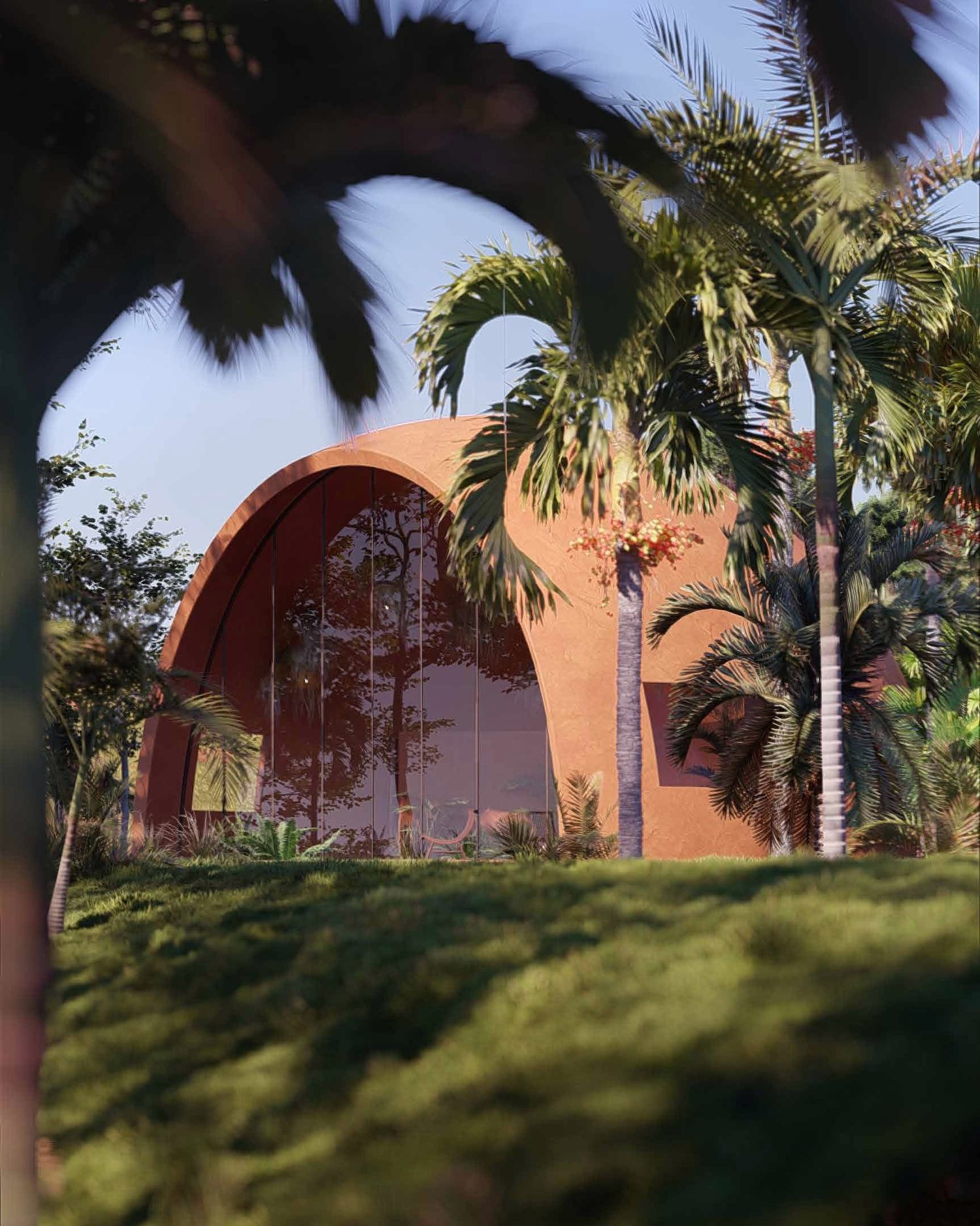
Domed roofs in rammed earth, vaulted arcades, bohíos on the hillside. The estate as designed, in the colour the ground already is.

A KUA bohío at dusk, rendering
A bohío at duskKUA
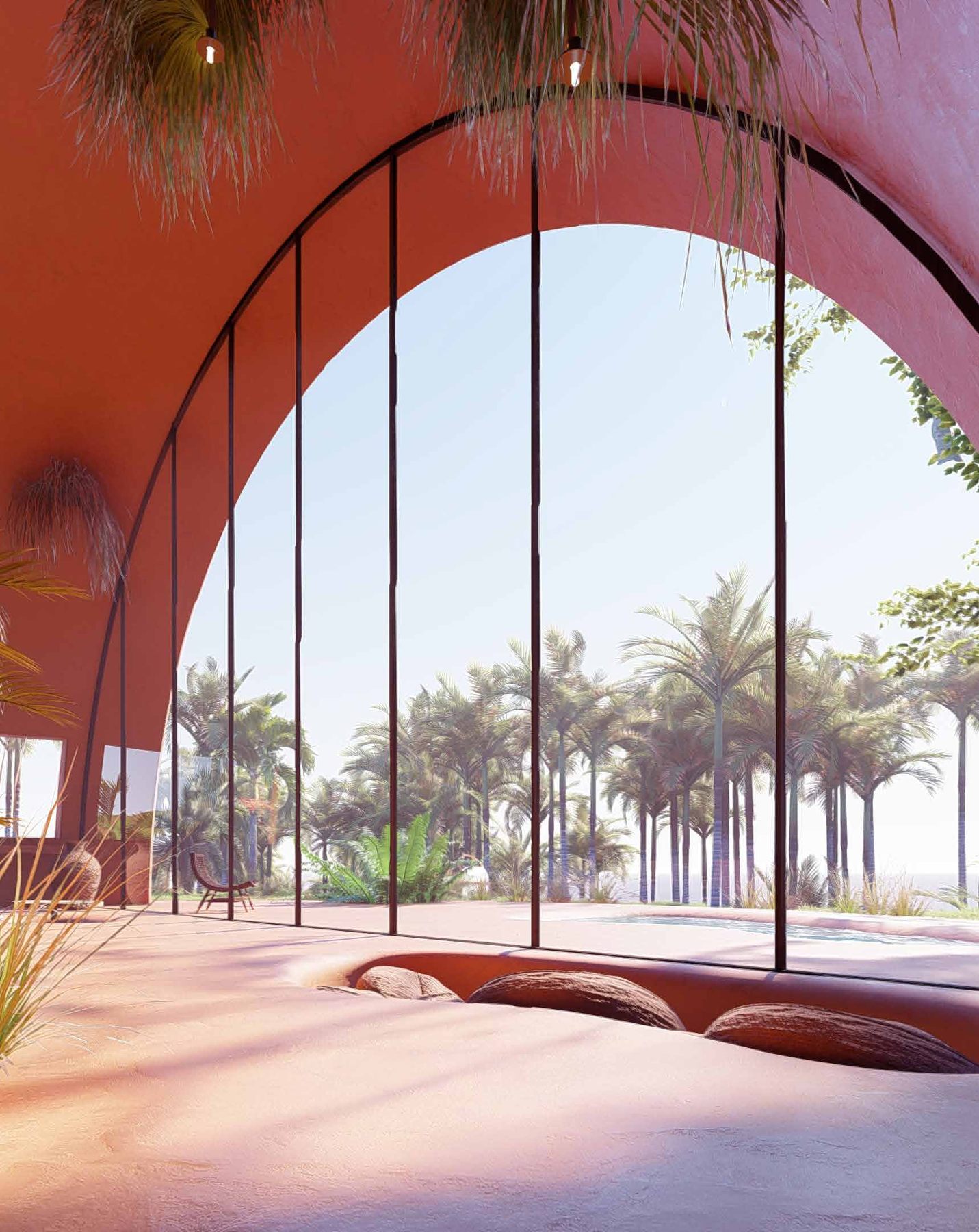
The arched window of a bohío, rendering
The arched windowKUA
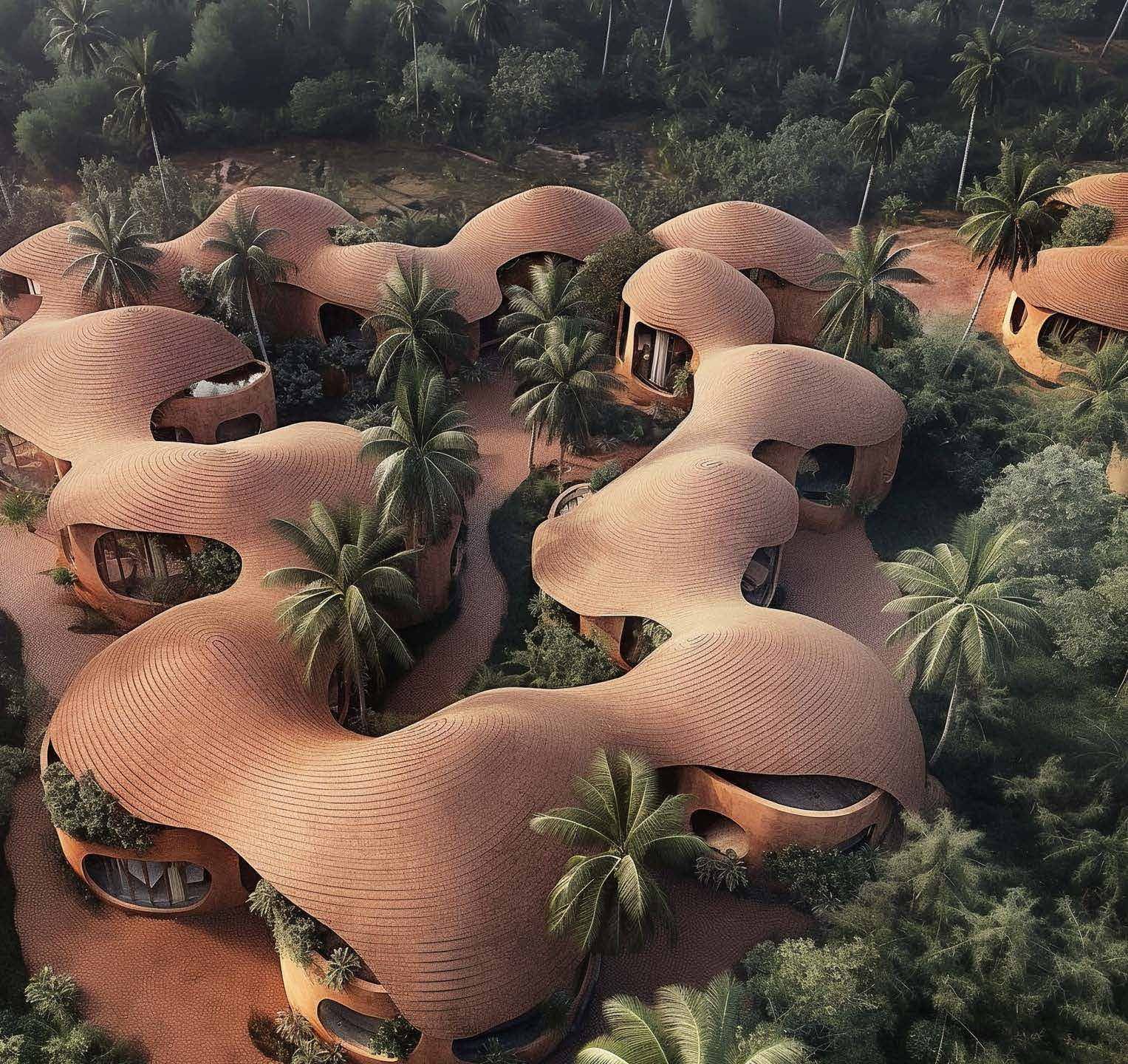
The bohío village from above, rendering
The village from aboveKUA
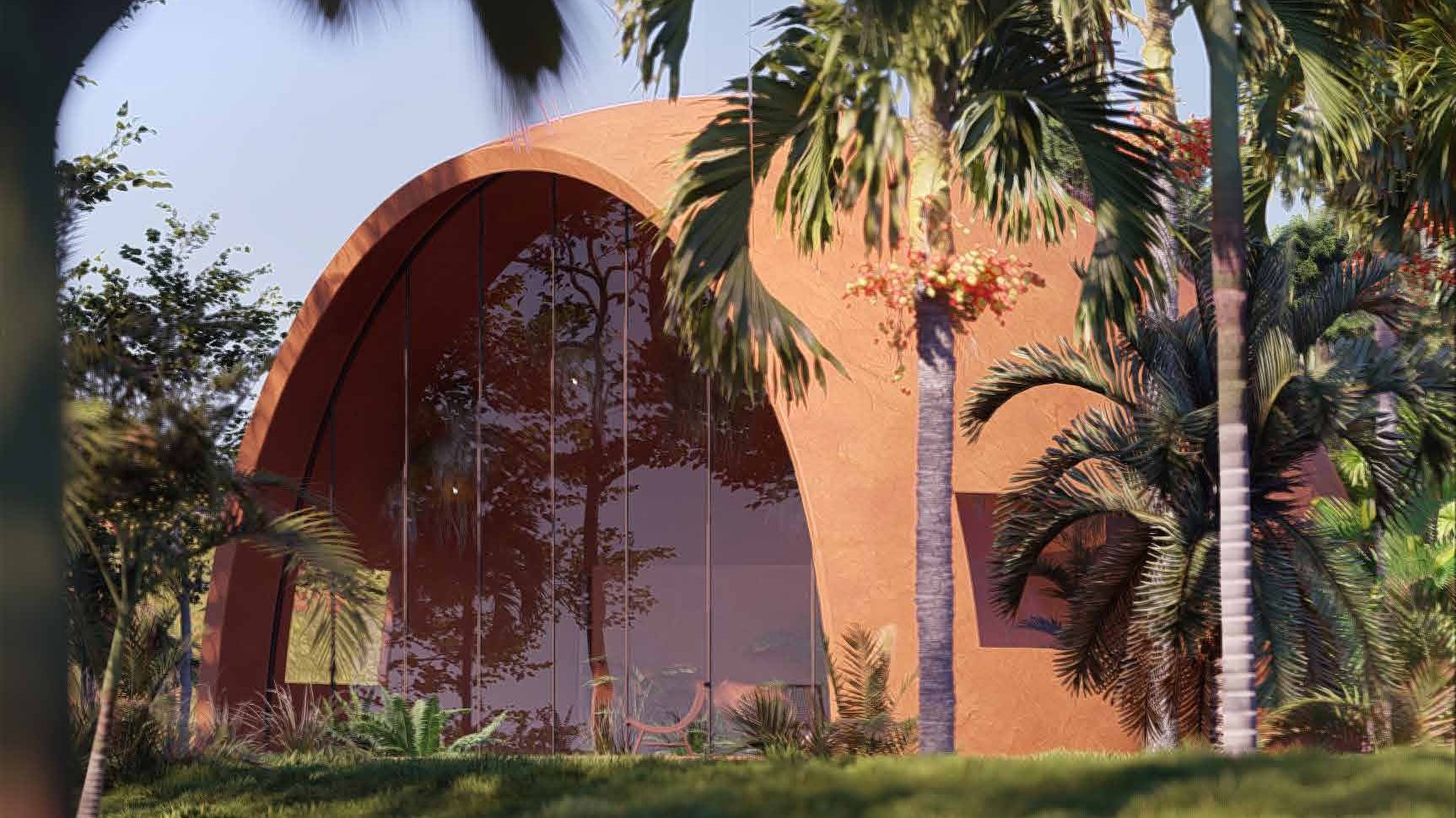
The dome at dusk, down the palm avenue, rendering
The dome, at duskKUA
The big villas, arches in rammed earth, rendering
The big villasKUA
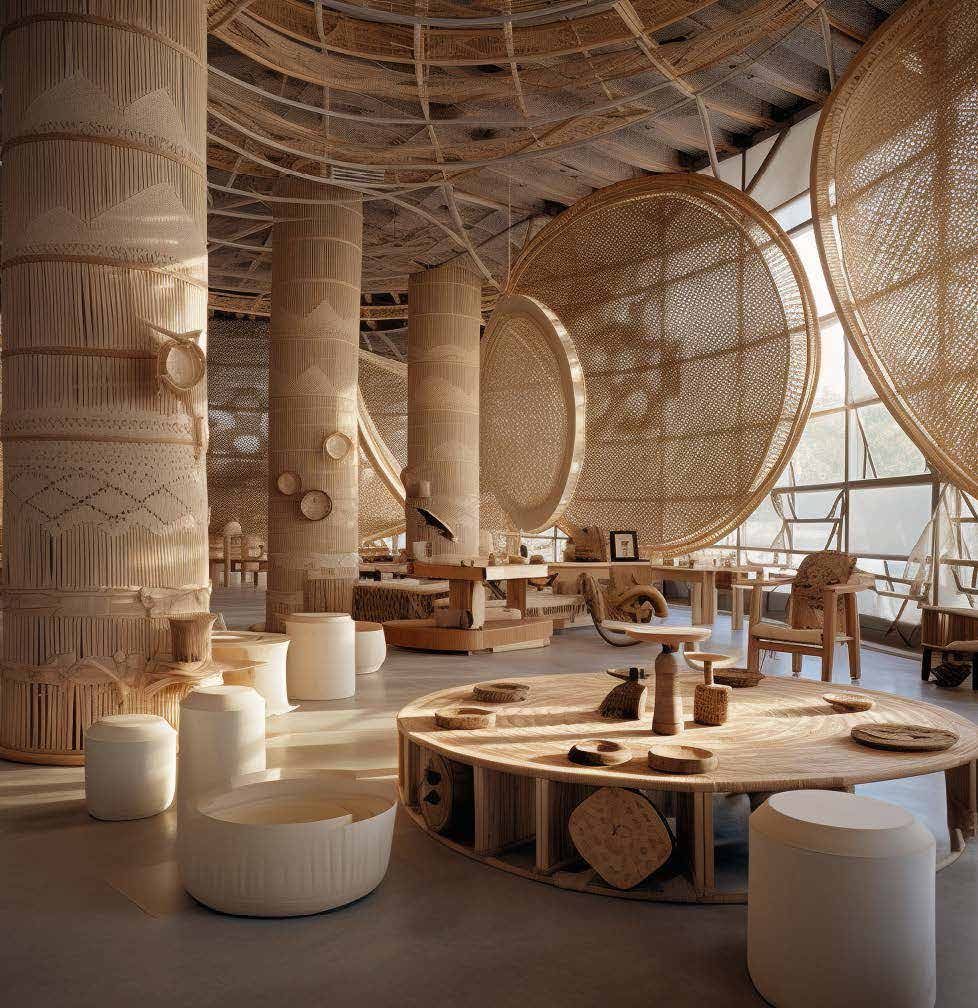
The woven entrance dome, rendering
The woven entranceKUA
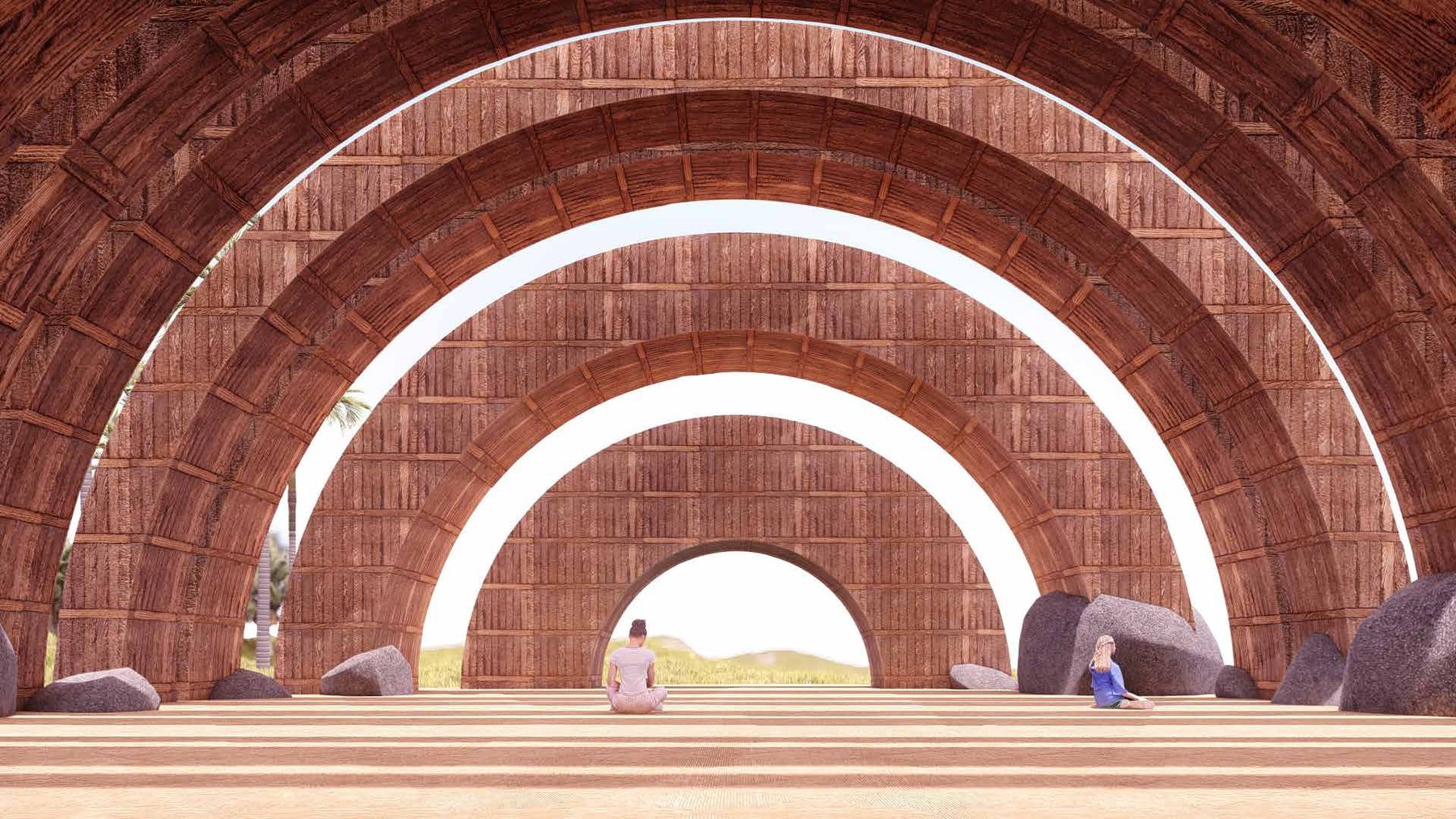
The wedding venue, arches within arches, rendering
The wedding venueKUA
A carved RAKAN suite, rendering
A RAKAN suiteRAKAN
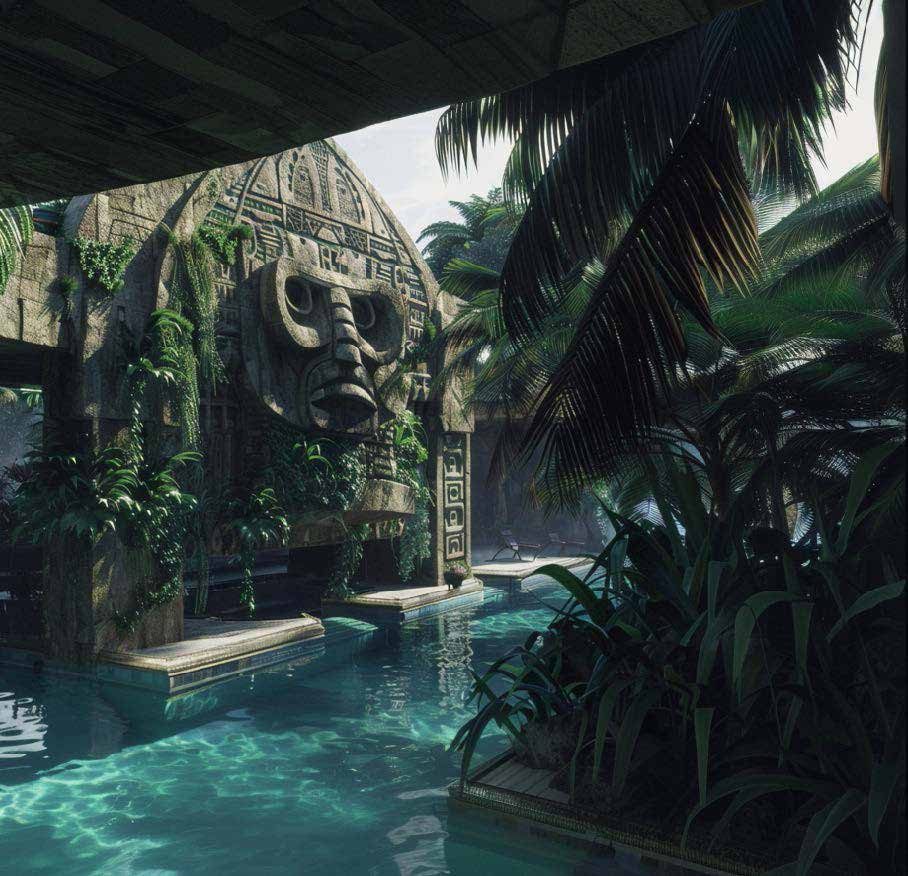
The RAKAN pools in the jungle, rendering
The pools, in the jungleRAKAN
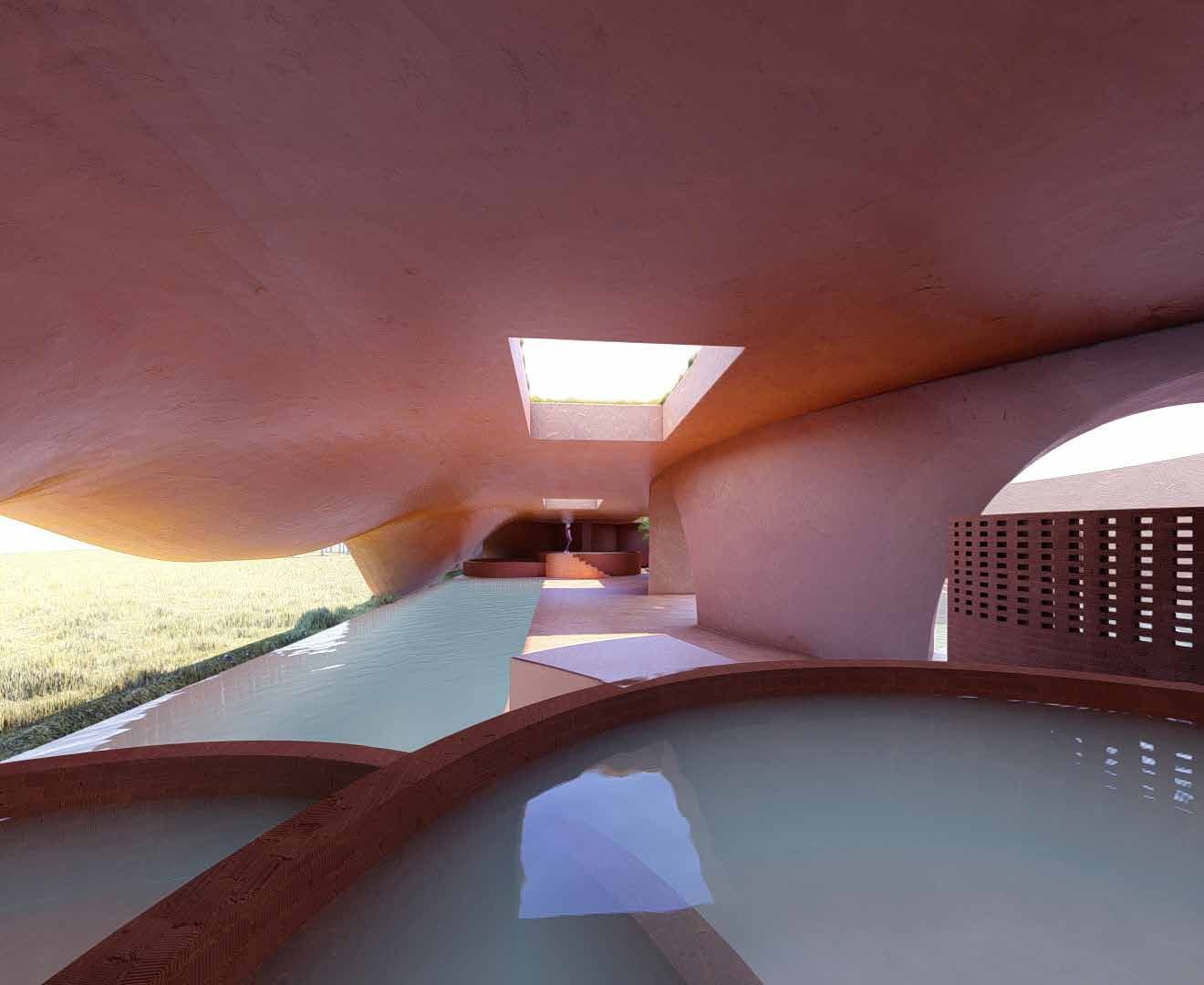
The spa under its planted roof, rendering
The spaWellness
The spa pool corridor at first light, rendering
The pool corridorWellness
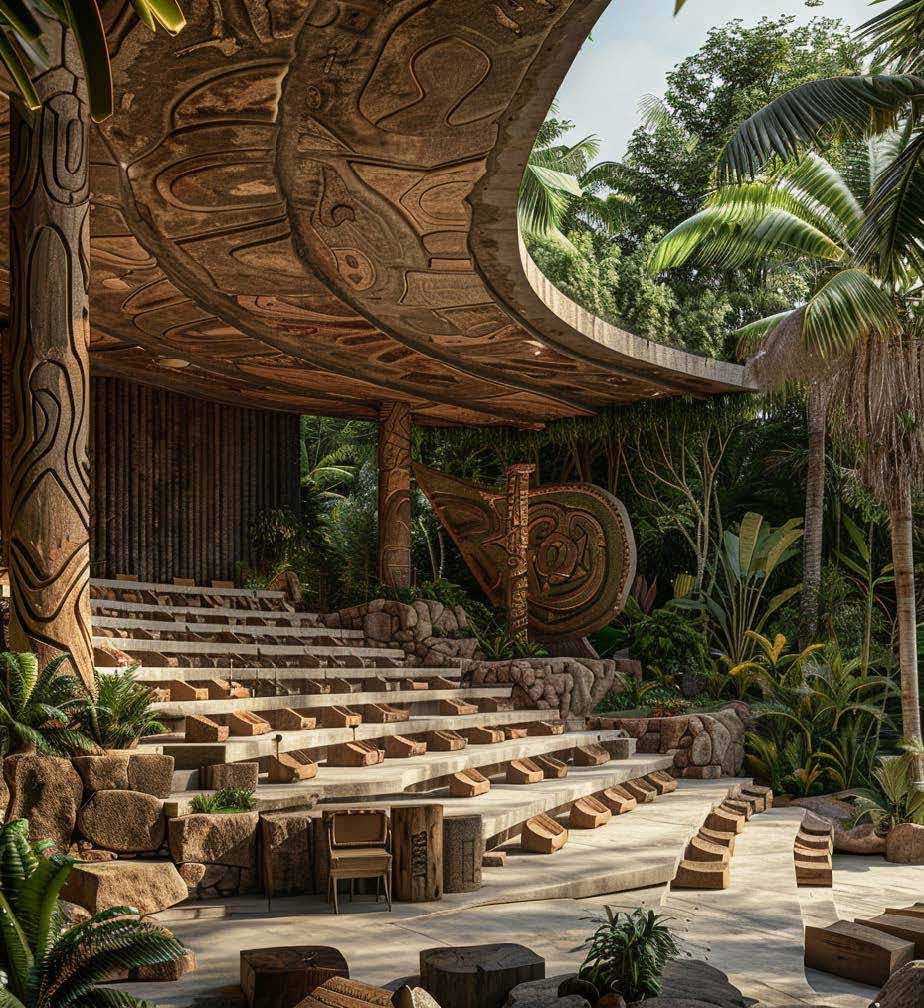
The amphitheatre in the jungle, rendering
The amphitheatreMAINA
The MAINA restaurant, carved in wood, rendering
The restaurantMAINA
The weaving workshop, rendering
The weaving workshopCraft
Inside a small villa, rendering
Inside a small villaKUA
01 / 15
The estate as designed · renderings
06The Land

Before anything
was drawn.

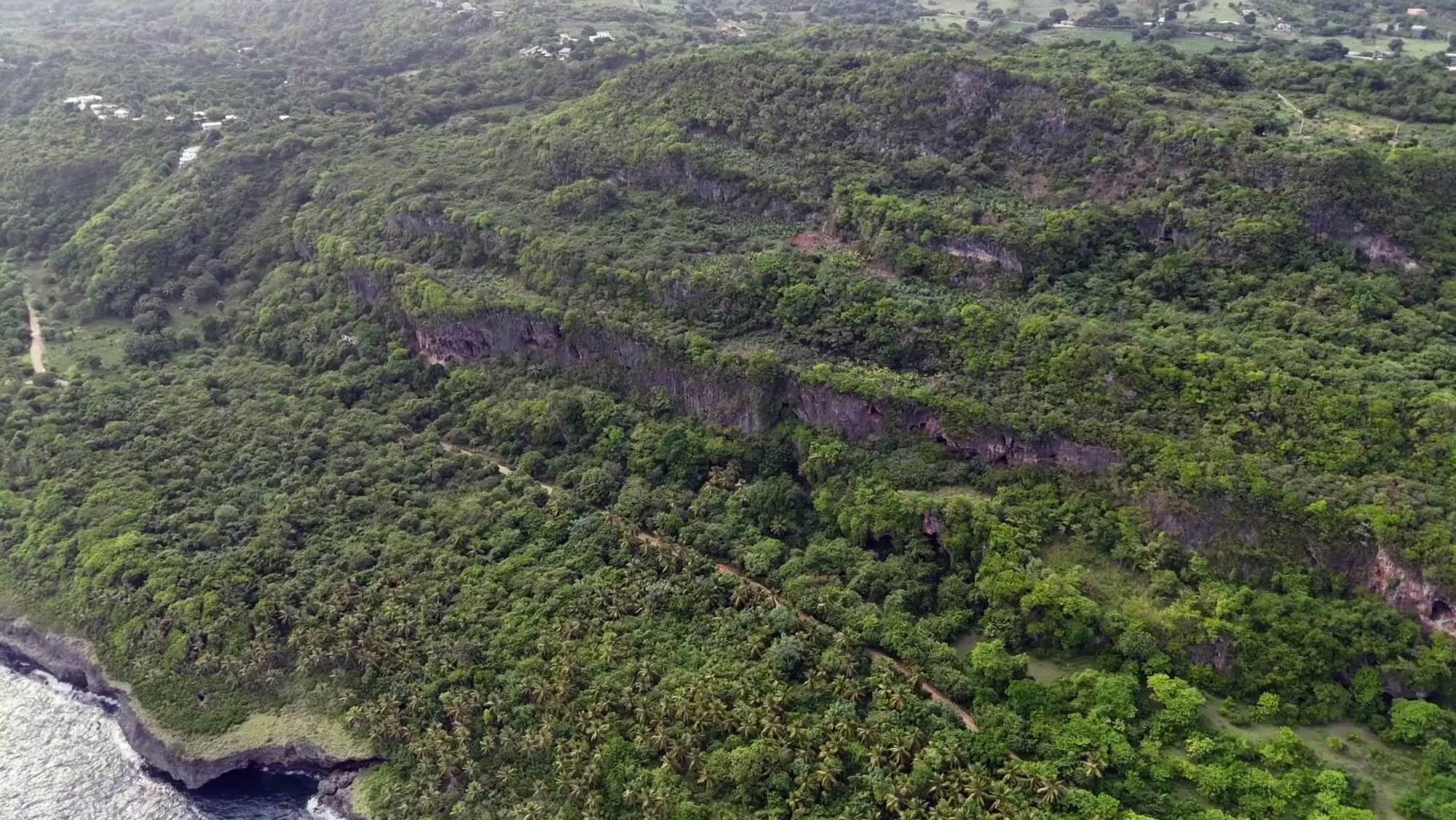
The Samaná coastline, filmed from the air. This is the ground as it stands today.

07Where It Stands

How real
it already is.

Land secured, surveyed and zoned. The unglamorous work is largely done.

LandEighty-five acresContiguous coastal land secured along the Samaná coastline
TitleKUA owned outrightMAINA and RAKAN under signed purchase agreements
SurveysCompleteLand surveys and soil assessments both done
WaterConfirmedFreshwater access, including an underwater river feeding the marine ecosystem
ZoningIn our favourSupports low-density hospitality and agriculture
EncumbrancesNone knownNo known title or environmental issues
PreservedCaves, river, coastNatural features retained rather than cleared
ScarcityOne of the lastAmong the final large undeveloped coastal sites on the peninsula
08The Taíno Thread

Named for
the people
of this island.

The Taíno were the people of this coast. The estate carries their name because the culture is the substance of it, not a decorative layer.

Ancestral knowledge expressed through contemporary craft: that is the whole design brief. It shapes what gets built, what is grown, what is cooked and who does the work.

MAINA holds it. Forty of the eighty-five acres are given to a Taíno museum, craft workshops, agricultural tours, an amphitheatre and a land-sourced tasting restaurant, all open to the public rather than reserved for guests.

It is also a working system. On-site production supplies the kitchens at KUA and RAKAN, and the Community Impact Entity teaches the growing methods to local farmers, so the food economy stays in the valley instead of arriving on a truck.

Our co-founder is of Taíno descent and has lived on this peninsula for six years. The programme originates with her, and that is the part of this that cannot be bought in.

The pottery workshop, rendering
The amphitheatre, rendering
The Samaná coast from the air

One of the last large, undeveloped stretches of coast on the peninsula.

The Samaná coast
09Why Samaná

A rare
transition
moment.

Samaná is early in its luxury evolution, and the window to shape what it becomes is still open.

A new coastal highway and the expansion of El Catey International Airport have opened access without mass saturation. The arrival of major global brands, Four Seasons among them, signals institutional confidence in the peninsula as the Dominican Republic’s next high-end destination.

It remains one of the last large, undeveloped stretches of coastal land on the peninsula.

11.6MTourists to the Dominican Republic, 2025
12M+Predicted for 2026
71%Hotel occupancy, nationwide
$11.4BTourism revenue, 2025
Law 34-25

In 2025 the province wrote our approach into law, declaring Samaná an Ecotourism Province and aligning the planning framework with low-density, regenerative development rather than against it.

10Getting There

Closer than
it sounds.

Samaná has its own international airport. El Catey sits forty minutes from the estate.

The Samaná coastline
Toronto4h 15Nonstop, year round
MontrealDirectAir Canada · Air Transat · WestJet
QuebecDirectYear round service
Paris9h 30Seasonal nonstop · Air Caraïbes
Santo Domingo2hBy road · major gateway
Punta Cana4hBy road · major gateway
By helicopter20 minFrom Punta Cana or Santo Domingo
El Catey · AZS40 minSamaná international · to the estate
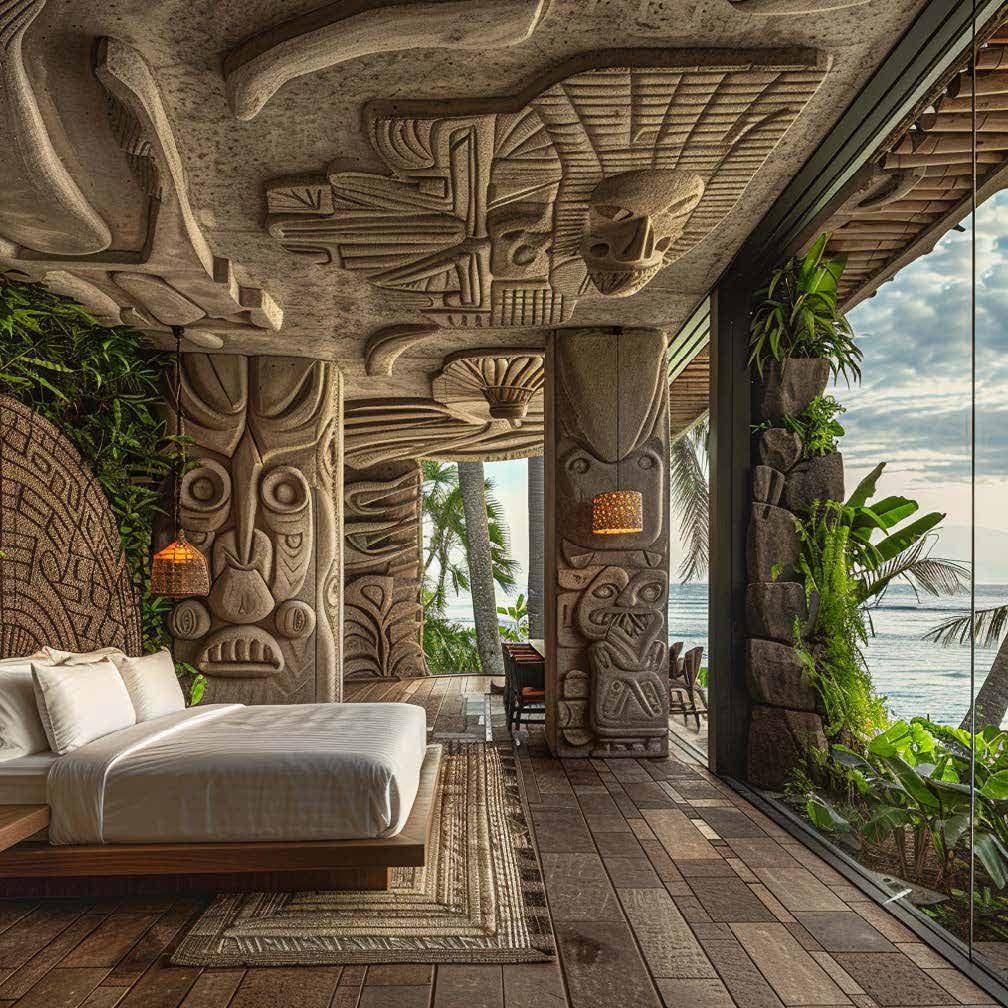
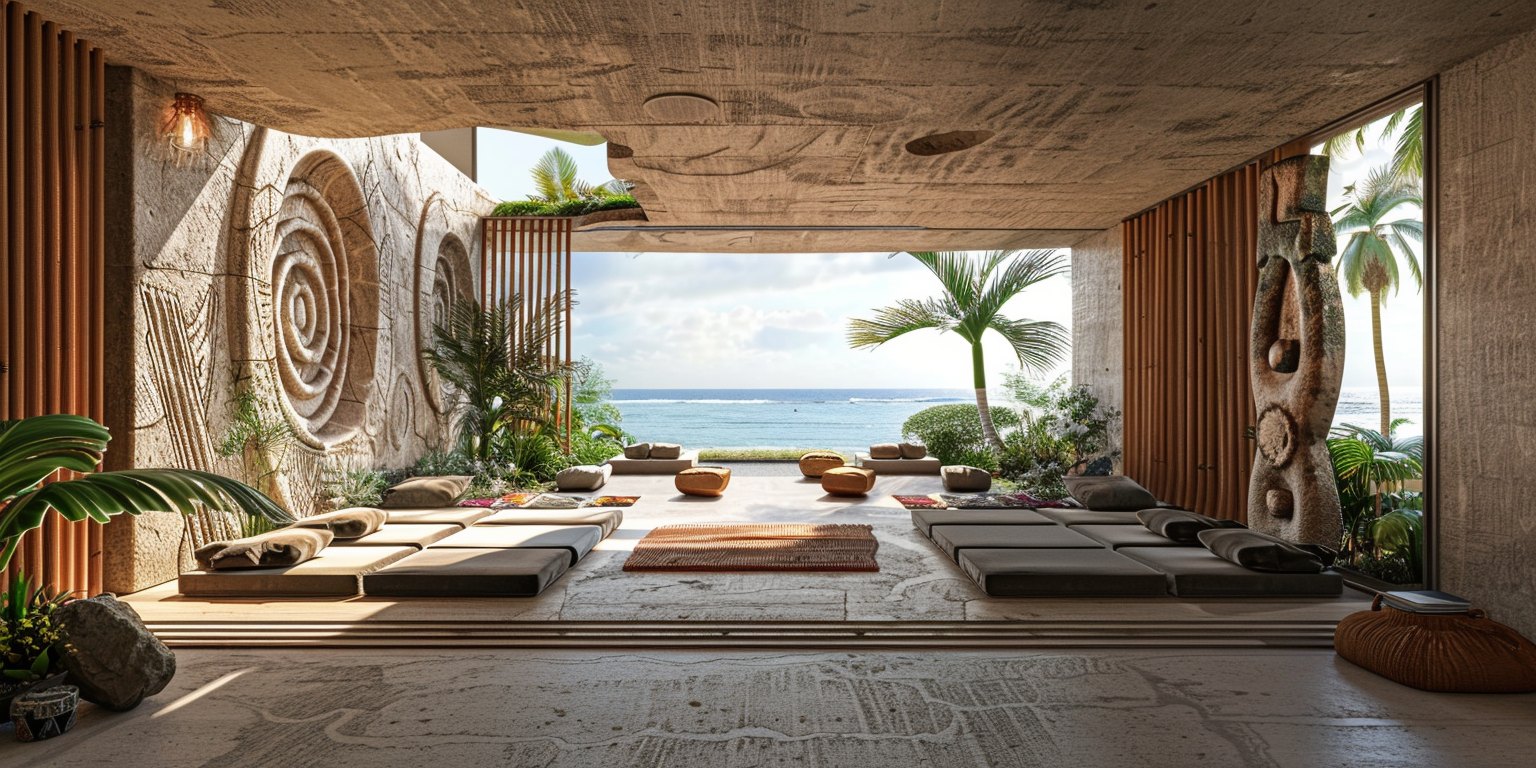
A carved interior opening to the sea, Taína, rendering

Taína is the first. The collection grows one estate at a time.

Taína · rendering
11Investment

The structure
is built too.

Taína is being developed under a GP/LP structure, with the sponsor's own capital committed alongside its partners.

A GP/LP partnership

The project is structured as a sponsor-led partnership: a general partner responsible for land, delivery and operations, and limited partners participating in the estate's development and its long-term cashflows. Documentation is prepared to institutional standard.

Sponsor capital, committed

The founding team's capital went in first and remains through the hold. Alignment here is structural, not rhetorical: the general partner is paid for performance, not for assembling the deal.

For qualified investors

The full picture sits in the data room: land title, surveys, plans, budgets, operating projections and the partnership terms. It is shared privately, under agreement, with qualified investors.

Request the investor overview Shared privately, under agreement

Nothing on this site is an offer to sell or a solicitation of an offer to buy any security. Any offering is made only through definitive offering documents, provided privately to eligible investors.

12Method

How we build.

Seventeen years of owning and operating buildings before ever drawing one. It is a slower education and a considerably cheaper way to deliver.

The colonial casa on the headland01

We hold what we build

Every asset was bought needing work, restored, and then operated. Not a fee-development mandate carried out for somebody else, and not a site to be flipped on once the drawings are approved.

Bohíos on the hillside, rendering02

Our capital goes in first

Founder capital goes in ahead of anyone else and stays in. None of it is withdrawn when partners come in. We would rather be the last paid than the first.

A domed bohío in rammed earth, rendering03

Built to the ground it stands on

Local materials, local artisans, local labour. Stone, timber and rammed earth, raised by hand. Taína is being built to Audubon certification standards, with the ecosystem treated as a constraint rather than a feature.

13Principals

Who runs it.

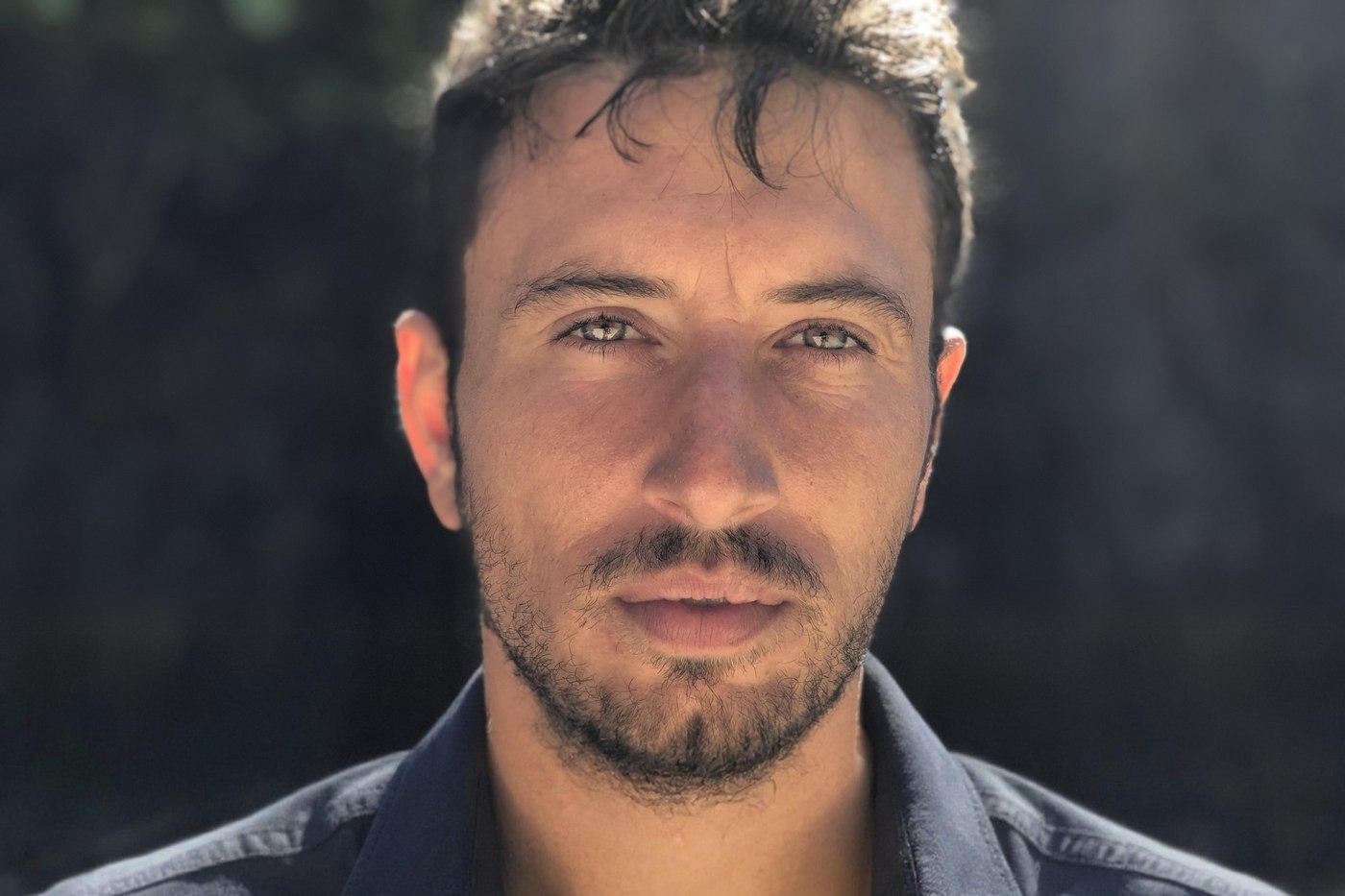
Alexander Nimier

Alexander Nimier

Co-Founder

Owner-operator since 2009. A portfolio of ten houses in California’s Antelope Valley acquired distressed and held for cash flow across eleven years, a heritage apartment in Paris held and operated for a decade, and a midcentury house in Encino restored, operated and sold through a full cycle. Leads land acquisition, architectural direction, construction management and financial structuring.

alexandernimier.com
Angelique Vélez

Angelique Vélez

Co-Founder · Brand & Culture

Of Taíno descent, and resident on the Samaná Peninsula for six years. Leads the brand, the guest proposition and the cultural programme, working with local artisans, growers and elders. The cultural thread running through the estates originates with her.

14Enquiries

Let’s talk.

Project documentation, site plans and programme detail are shared directly and under agreement.

alex@remarkableplacestribu.com